 English
 Portugal
 España
CHINA TOURS
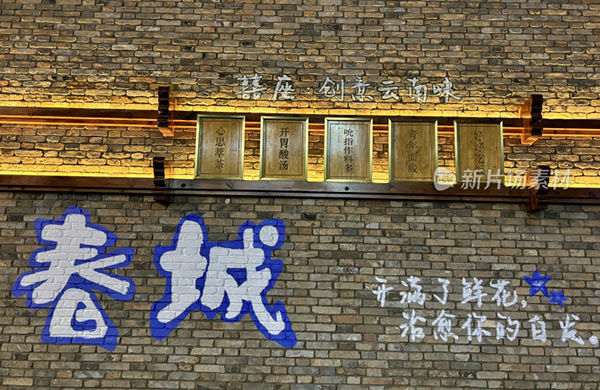
Arrive in Kunming, the provincial capital of Yunnan. Known as the "Spring City" due to its mild weather, it's a great starting point. A cordial welcome by our English-speaking local representative who coordinates your ride to the hotel.
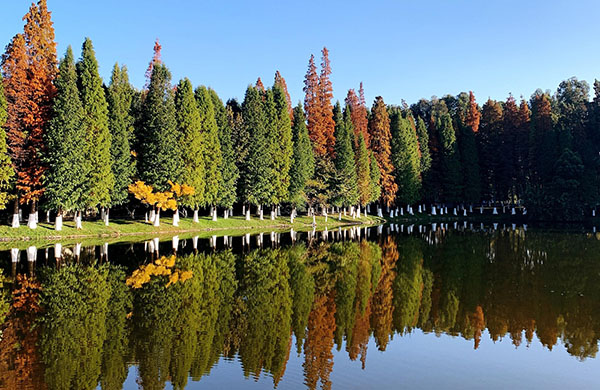
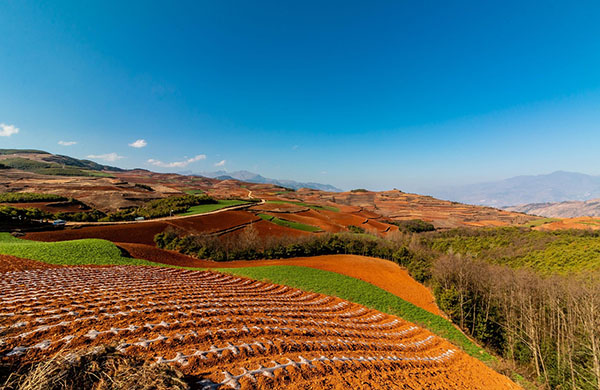
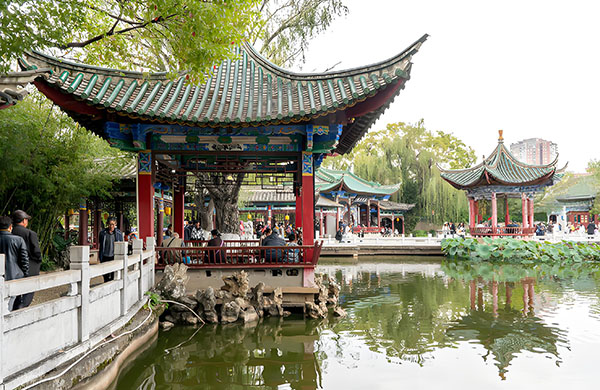
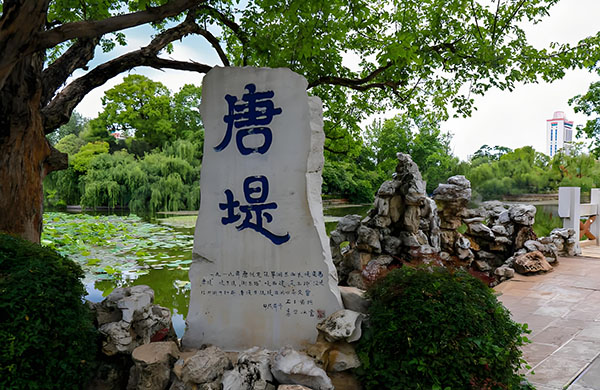
Explore the Green Lake Park, a popular hangout spot offering vibrant street performances and local snacks. The park is one of the most picturesque parks in downtown Kunming. There are nine spring outlets at north of the lake, so it was also named "Nine Dragon Pond" in ancient times. Here you may take a leisure walk or enjoy the performance (playing Taiji, Mahjong and local operal) by local people. The most interesting thing is some local people dance together, wearing their traditional dress and gentlemen play traditional instrument.
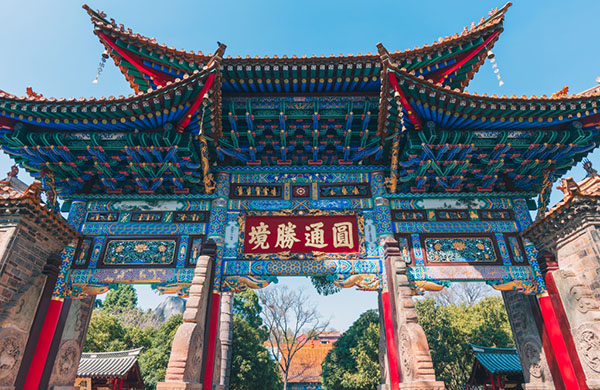
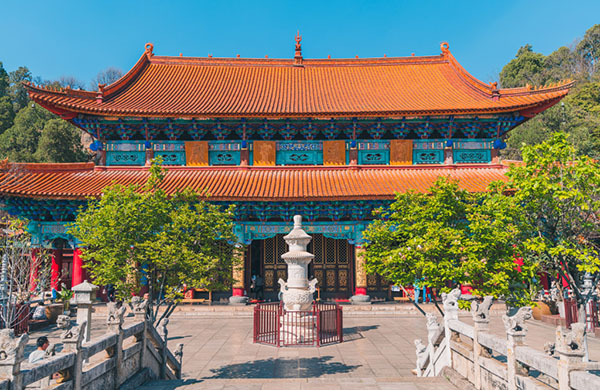
Proceed to visit Yuantong Temple, the largest temple in Kunming with 1,200 years of history. It was first built in the late 8th and early 9th century, the time of the Nanzhao Kingdom in the Tang dynasty. After two major restorations and expansion in the Chenghua period (1465–1487) of the Ming dynasty and in 1686 during the reign of the Kangxi Emperor in the Qing dynasty, the temple took on its present design, with covered corridors, bridges and grand halls. Explore the temple and admire its ancient architecture as your guide briefs you on the story behind it.
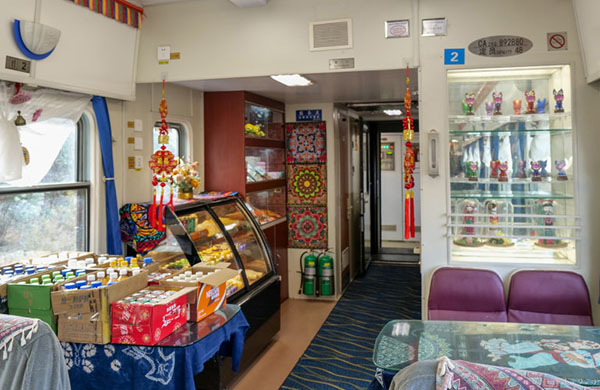
After lunch at local restaurant, transfer to railway station for high-speed train to Dali (approx.2hrs riding), which is known for its relaxed atmosphere and traditional architecture.
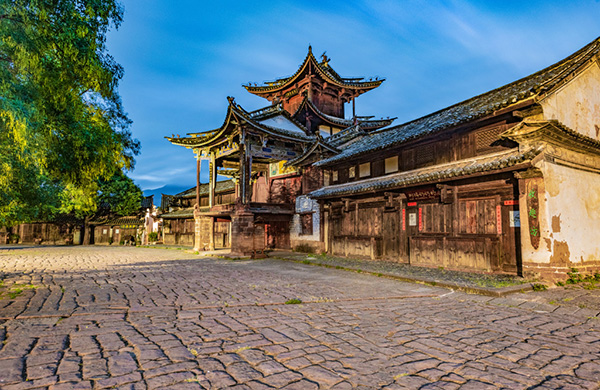
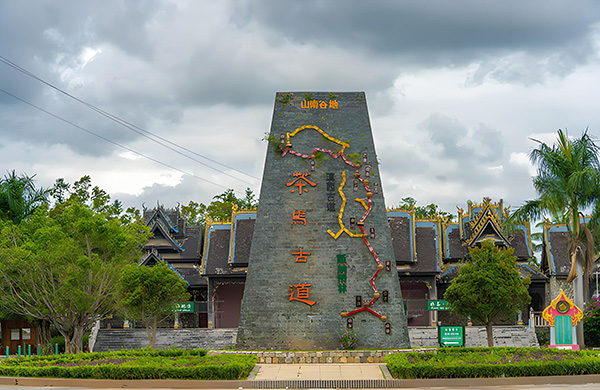
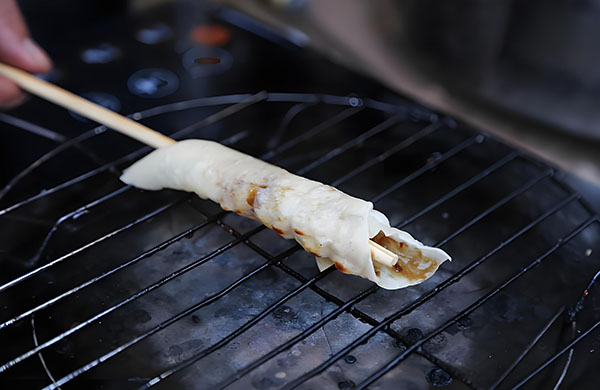
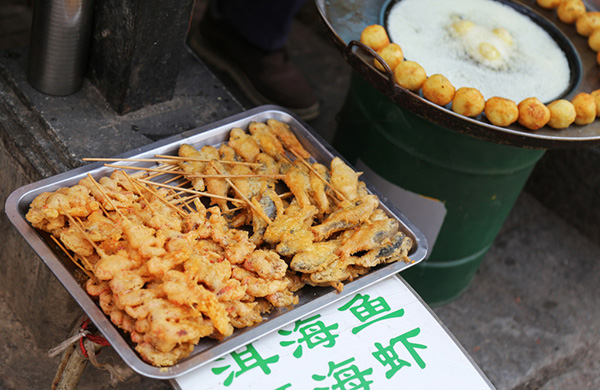
Explore the Dali Ancient Town, as a major stop on the Ancient Tea Horse Road, or Southwest Silk Road, it is a town full of historic sites and traditional culture. We can spend a few hours leisurely wandering the paved streets, admiring the traditional architecture of the Bai ethnic minority, trying their local food and snacks, and buying some souvenirs.
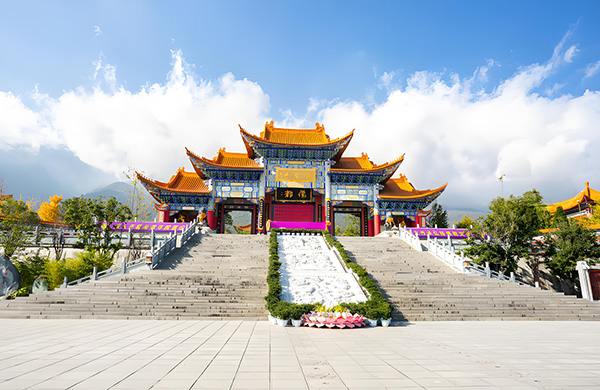
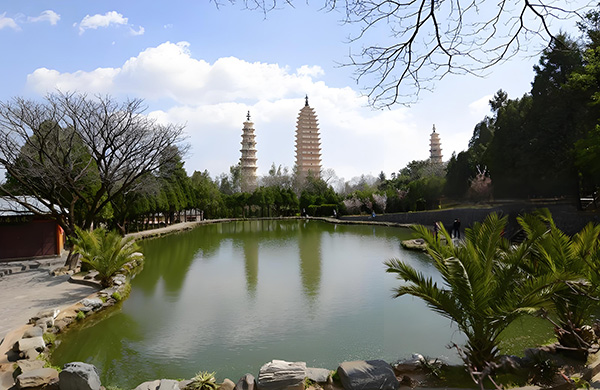
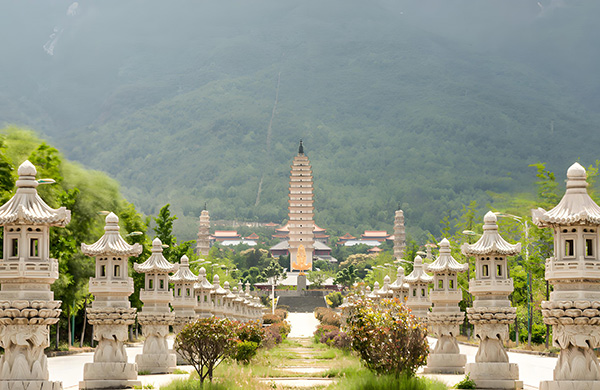
Proceed to visit the Three pagodas of Chongsheng Temple are an ensemble of three independent pagodas arranged on the corners of an equilateral triangle, dating from the time of the Kingdom of Nanzhao and Kingdom of Dali in the 9th and 10th centuries.
The Three Pagodas are located about 1.5 km (0.93 mi) north of Dali old town. They are at the east foot of the tenth peak of the massive Cangshan Mountains and face the west shore of the Erhai Lake of ancient Dali. They are made of brick and covered with white mud.
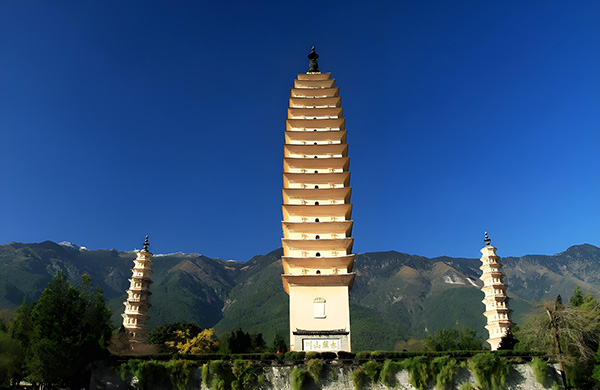
As its name implies, the Three Pagodas is composed of three independent pagodas forming a symmetric triangle. The elegant, balanced and stately style is unique in China's ancient Buddhist architectures, which makes it a must-see in the tour of Dali. The Three Pagodas, visible from miles away, has been a landmark of Dali City and selected as a national treasure meriting preservation in China. Evening is free at leisure.
Travel to Lijiang by private car in the morning (approx. 2 hours driving)
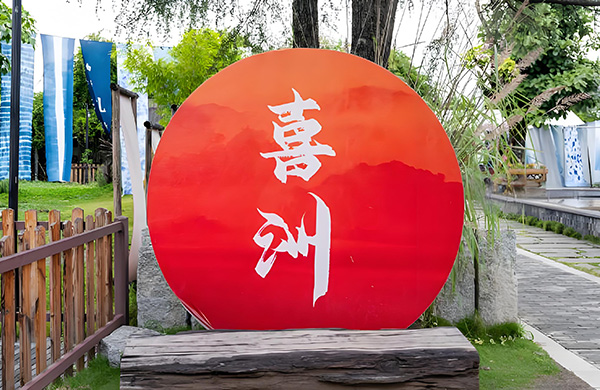
En route, explore the Xizhou village, which has a more mixed population and cosmopolitan background. It grew and flourished in the Ming Dynasty (1368-1644) along with the fortunes of Dali’s renowned tea merchants that traded to Tibet. Family Yang’s courtyard is a good example of traditional Bai houses.
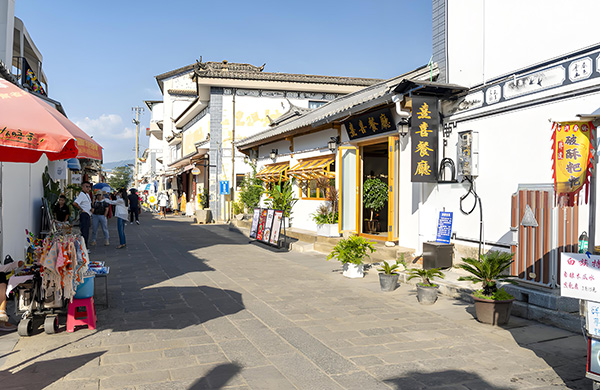
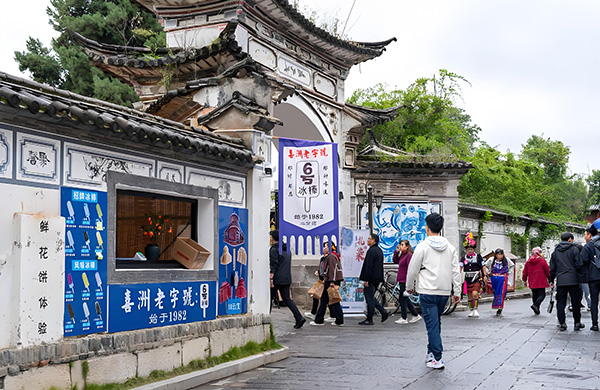
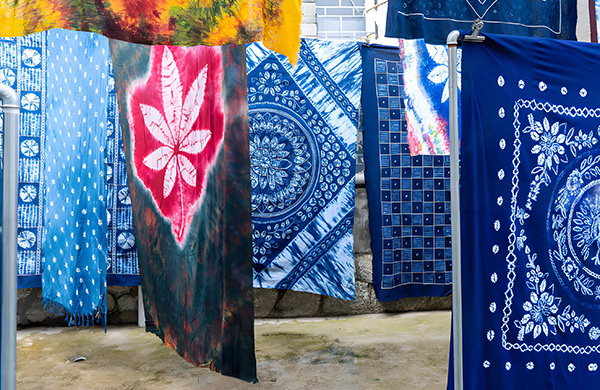
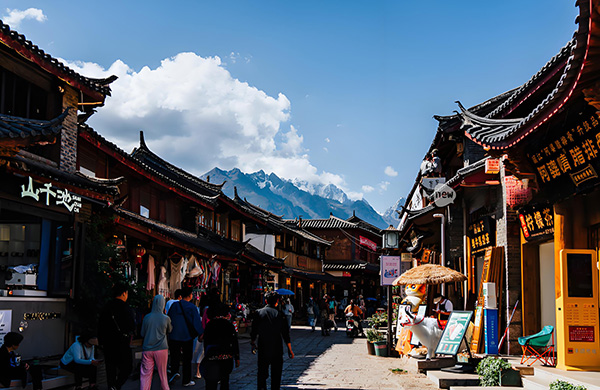
Arrive in Lijiang and check in at hotel. Then walk around the Lijiang Old Town, a UNESCO World Heritage site with beautiful canals and cobblestone streets.
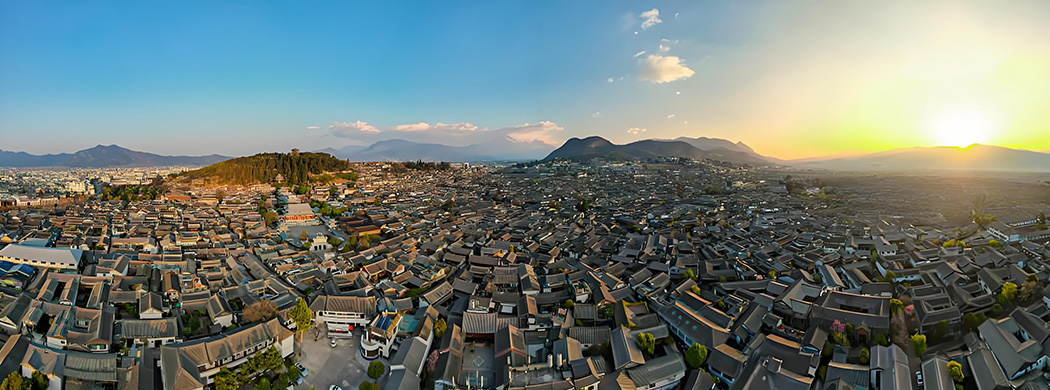
The town has a history going back more than 1,000 years and was once a confluence for trade along the "Old Tea Horse Caravan Trail".
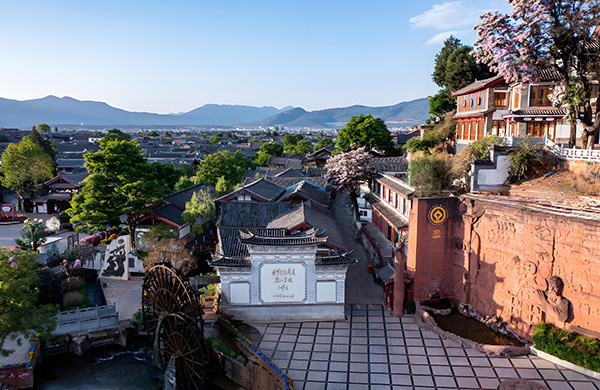
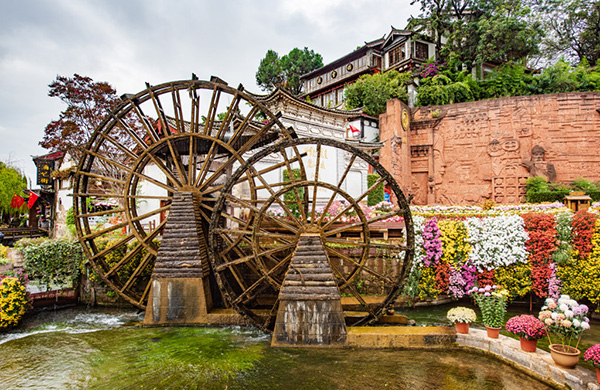
It is centred on busy and touristy Old Market Square, with the Waterwheel defining the northern edge and the lively Zhongyi Market marking the southern limit (which is a good stop for a slice of old Lijiang's trading traditions or just some afternoon street food).
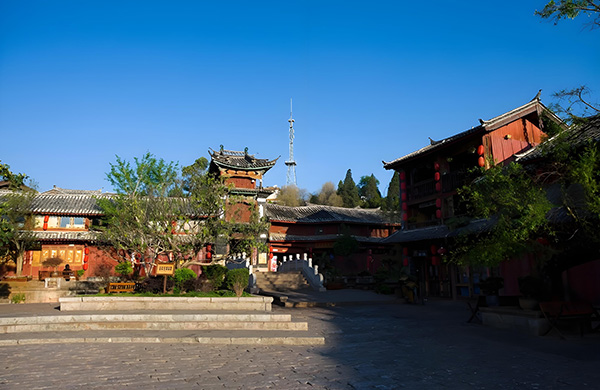
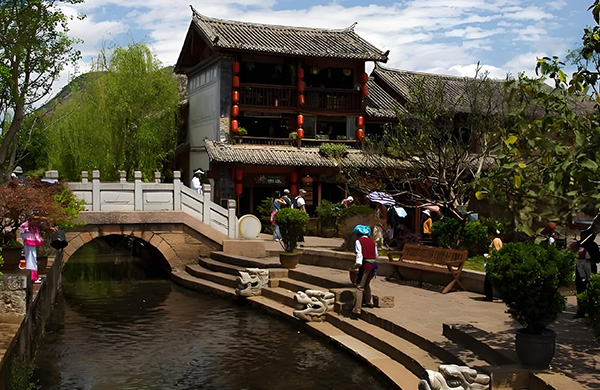
Proceed to visit Black Dragon Pool for a picturesque view of the Jade Dragon Snow Mountain. The pool is listed in the Collections of Famous Pools of China because of its exquisite beauty.
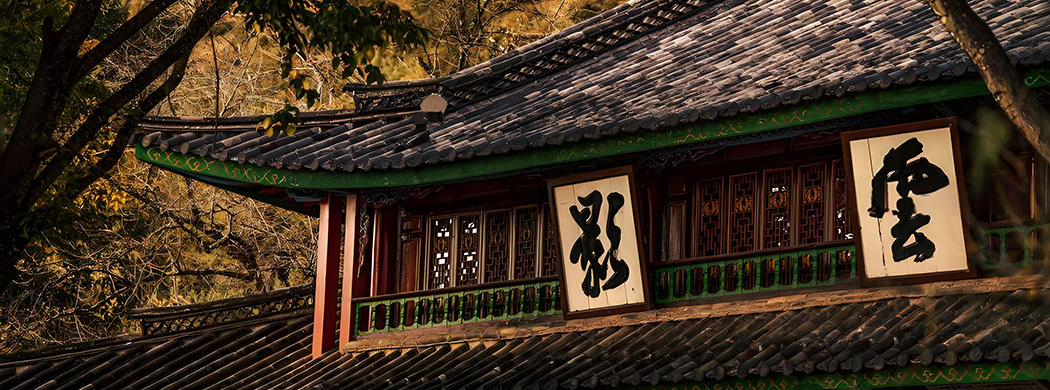
Its surroundings are all green with grass and shaded by swaying willow trees. In its waters, the Jade Dragon Snow Mountain is reflected.
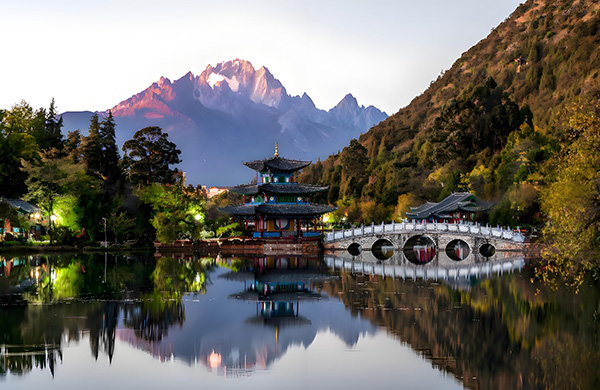
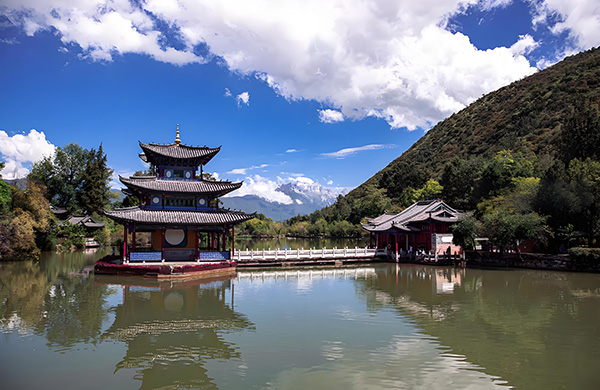
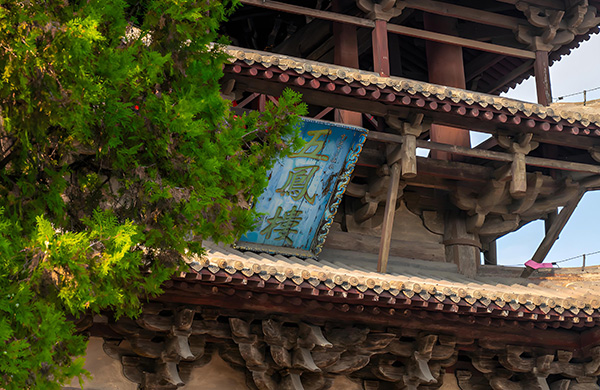
At the far side of the pool, there are renovated buildings used for art exhibition such as the Moon-Embracing Pavilion with its own white marble bridge across the water, and the Five-Phoenix Temple built during the Ming Dynasty.
Evening is free at leisure with dinner on own.
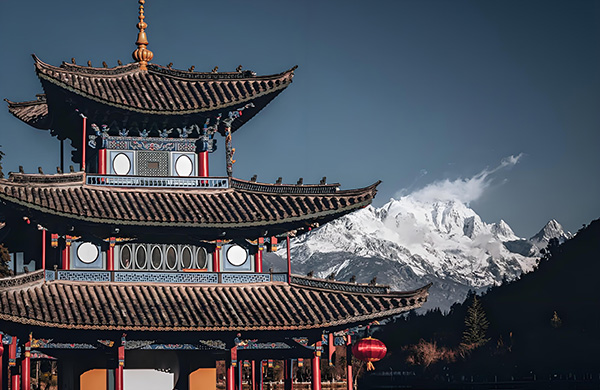
Enjoy the spectacle of Impression Lijiang - Snow Mountain, an outdoor audio-visual extravaganza directed by the internationally acclaimed, Zhang Yimou who directed the 2008 Beijing Olympics Opening Ceremonies and whose films have been nominated for Oscars several times.
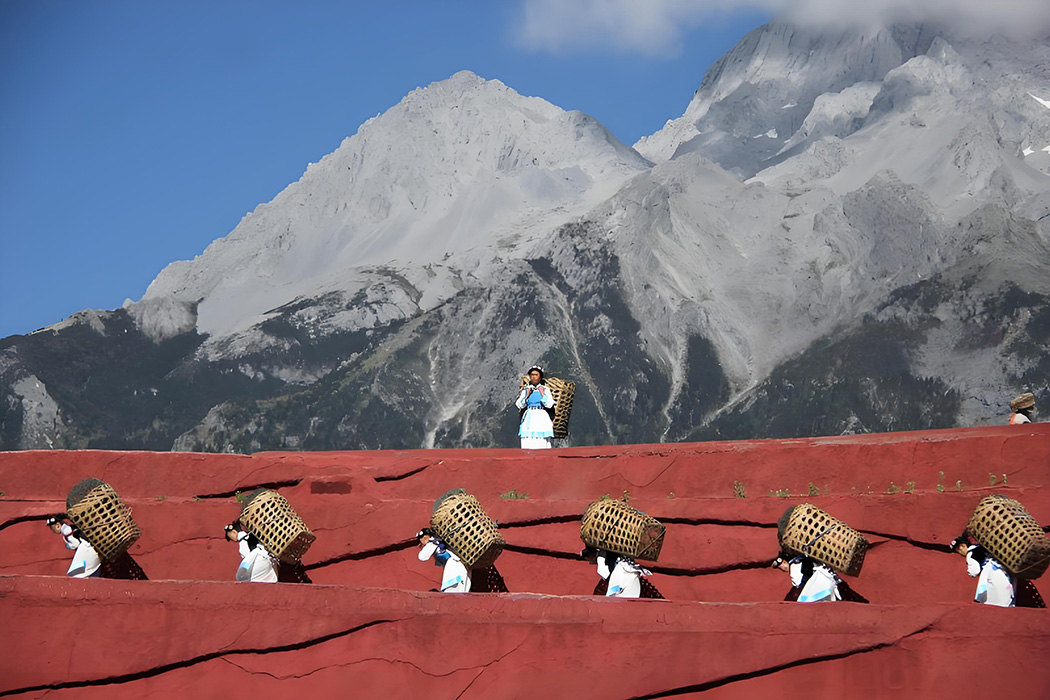
Over 500 residents from 10 different ethnic groups, hailing from 16 towns and villages around Lijiang, perform rituals, dances and folk songs for visitors daily, weather permitting, against the enchanting scenery as a backdrop.
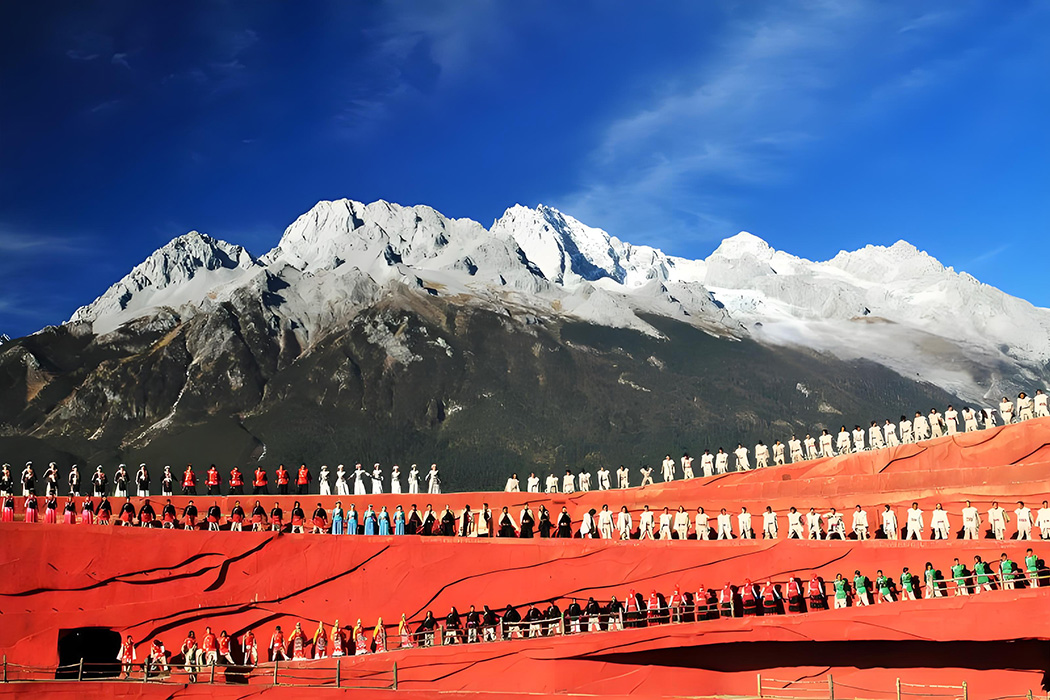
This is truly a special treat for the eyes and ears at the snowy and fog-shrouded mountain looks like a giant jade dragon seen from Lijiang Old Town, hence the name ''Jade Dragon Snow Mountain''.
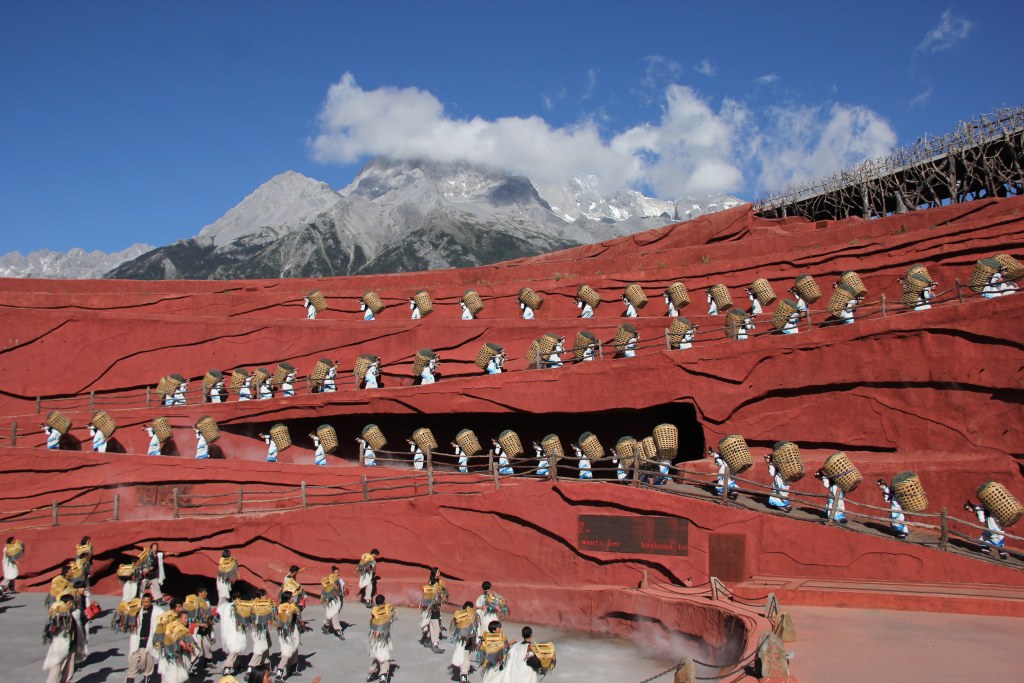
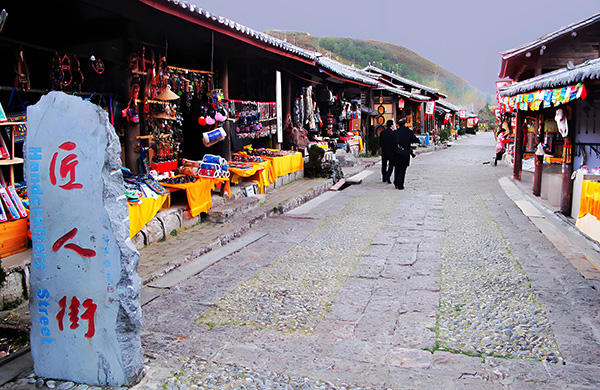
After lunch, head to Baisha village, a small village in the magnificent Jade Dragon Snow Mountain range and is the original settlement of the Naxi people who came to the greater Lijiang Valley a thousand years ago.
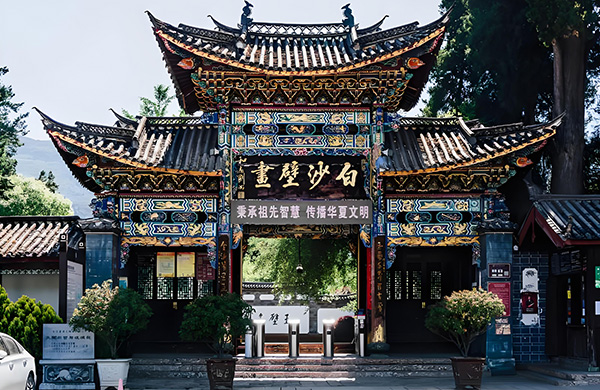
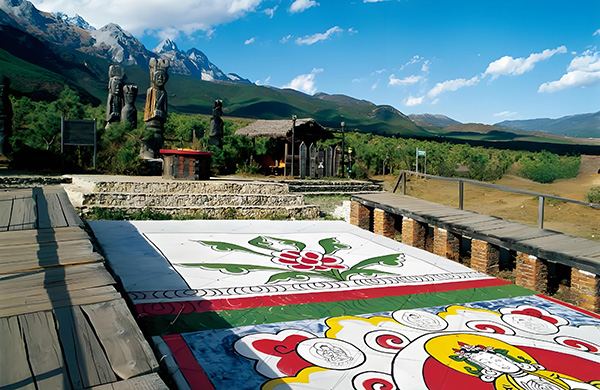
In nearby Dongba Culture Village you will learn about the local Naxi people, and their culture including a visit to the home of a local Naxi family for a unique perspective into their daily lives.
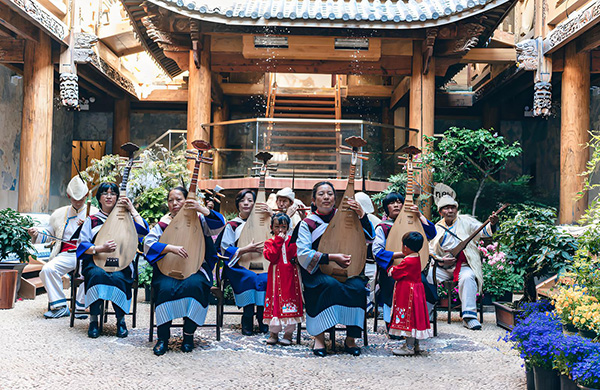
Today drive to Shangri-la (approx. 2hrs), Shangri-la formerly known as Zhongdian and sometimes 'Gyalthang' in Tibetan, is where you really start to breathe in the Tibetan world – if you can breathe at all, given the altitude.

En route, explore the Tiger Leaping Gorge which is a scenic canyon on the Jinsha River, a primary tributary of the upper Yangtze River.
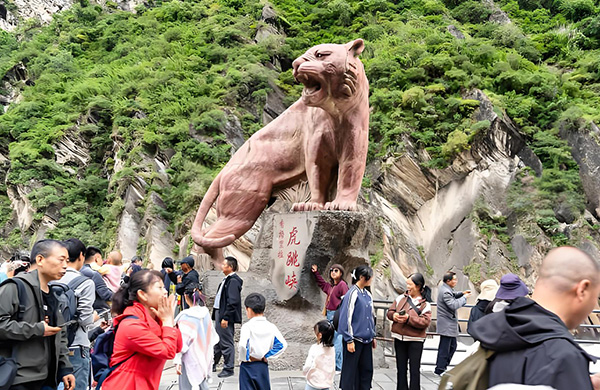
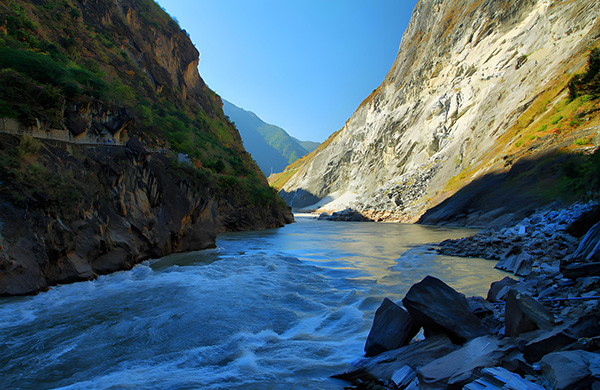
At a maximum depth of approximately 3,790 meters (12,434 feet) from river to mountain peak, Tiger Leaping Gorge is one of the deepest and most spectacular river canyons in the world. It is part of the Three Parallel Rivers of Yunnan Protected Areas World Heritage Site.
The inhabitants of the gorge are primarily the indigenous Naxi people, who live in a handful of small hamlets. Their primary subsistence comes from grain production and hikers. Evening is free at leisure with dinner on own.
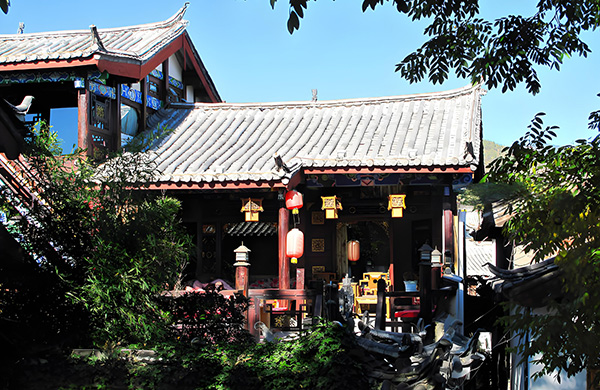
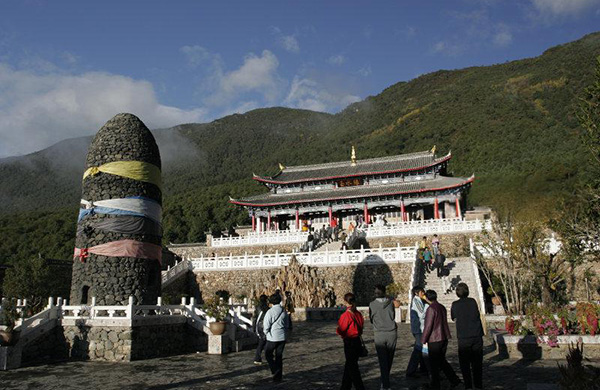
Explore the magnificent Songzanlin Monastery, the largest-in-scale Tibetan Buddhist temple in Yunnan, and reputed as the "Little Potala".
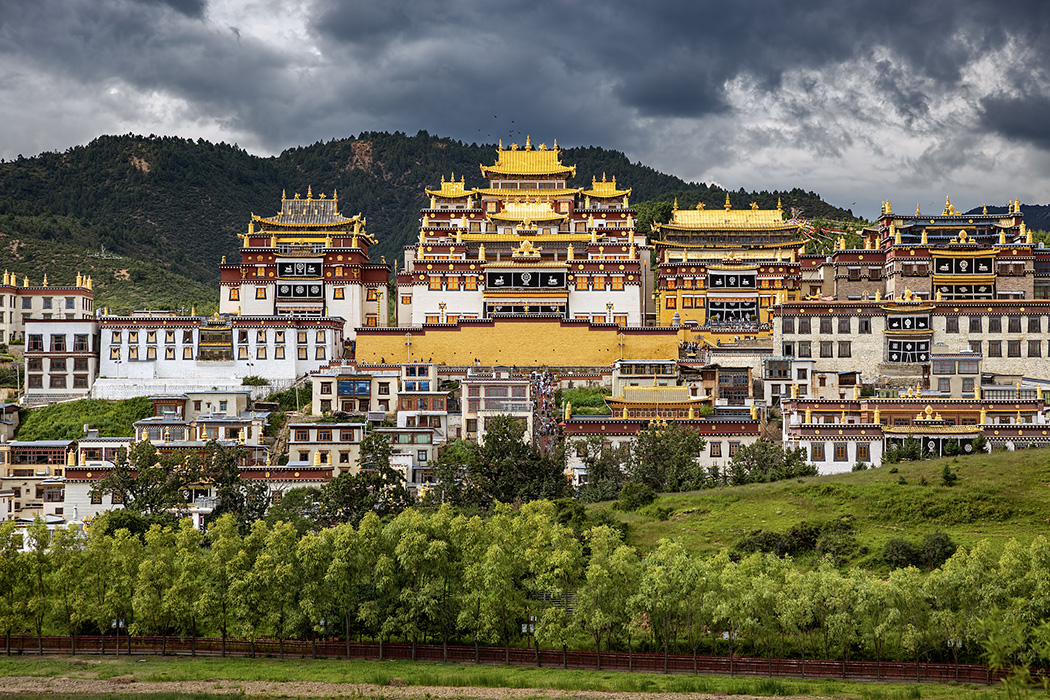
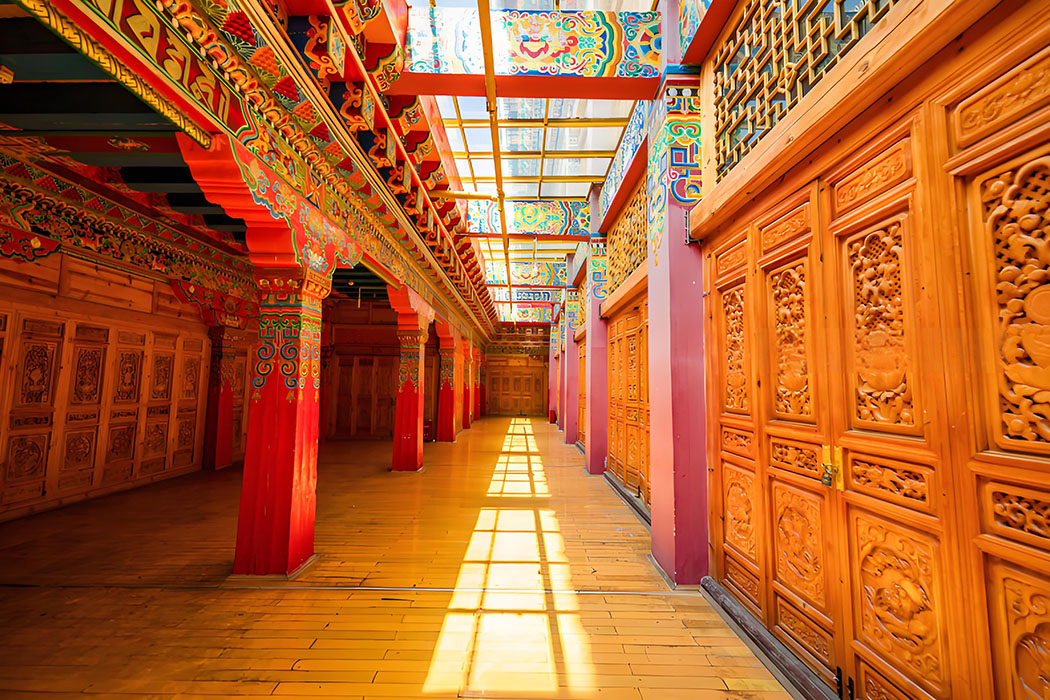
Nestled on a hill slope, the whole temple complex is just like a giant and imposing castle with fabulous mural paintings.
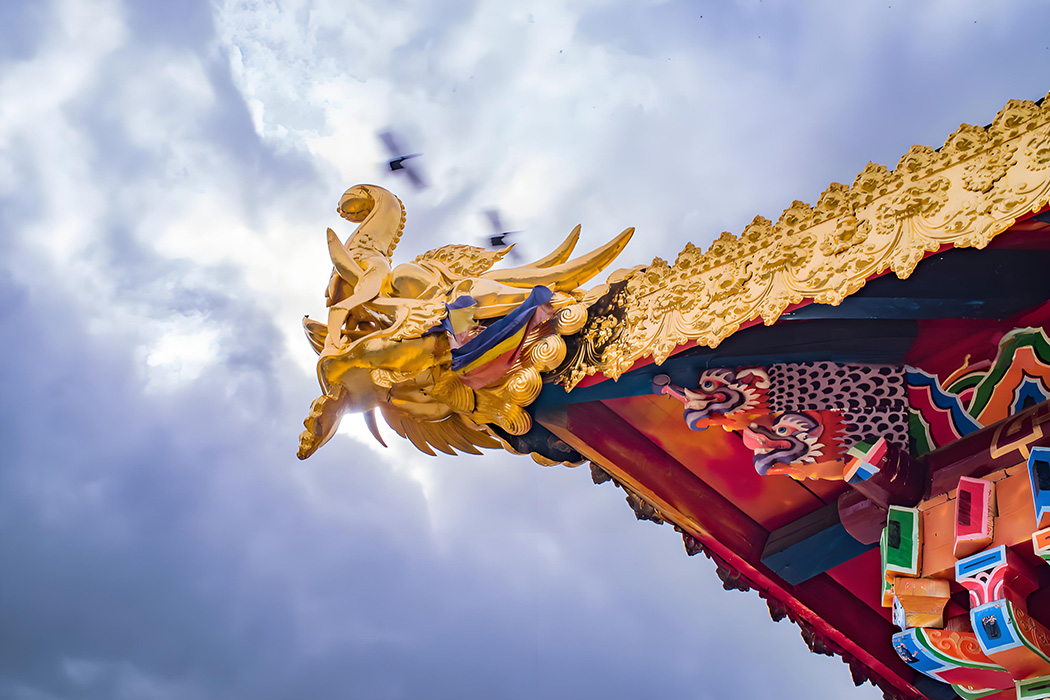
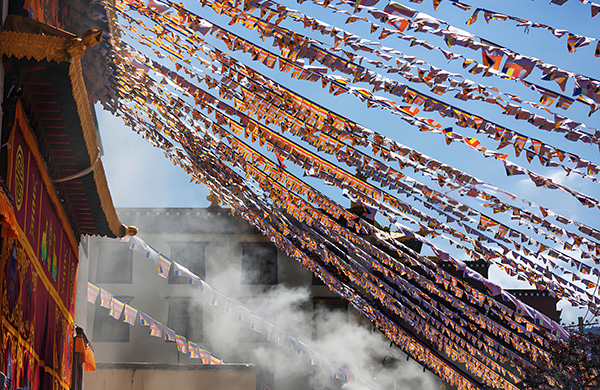
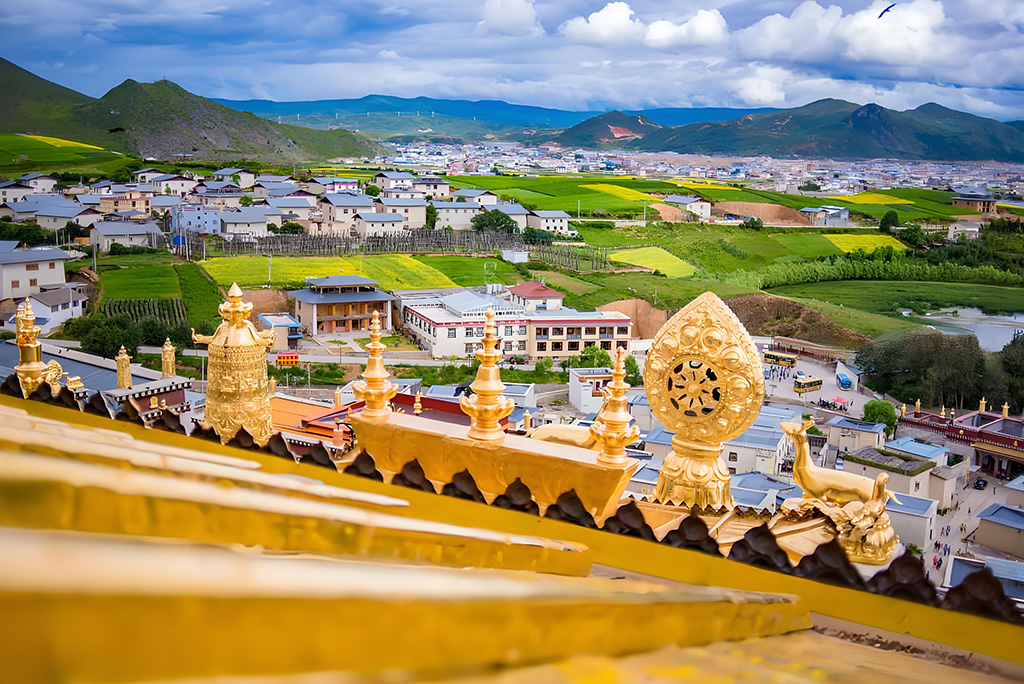
Delving into the monastery, you can check out the abundant cultural relics such as Buddhist scriptures, Tangka works and Buddha statues.
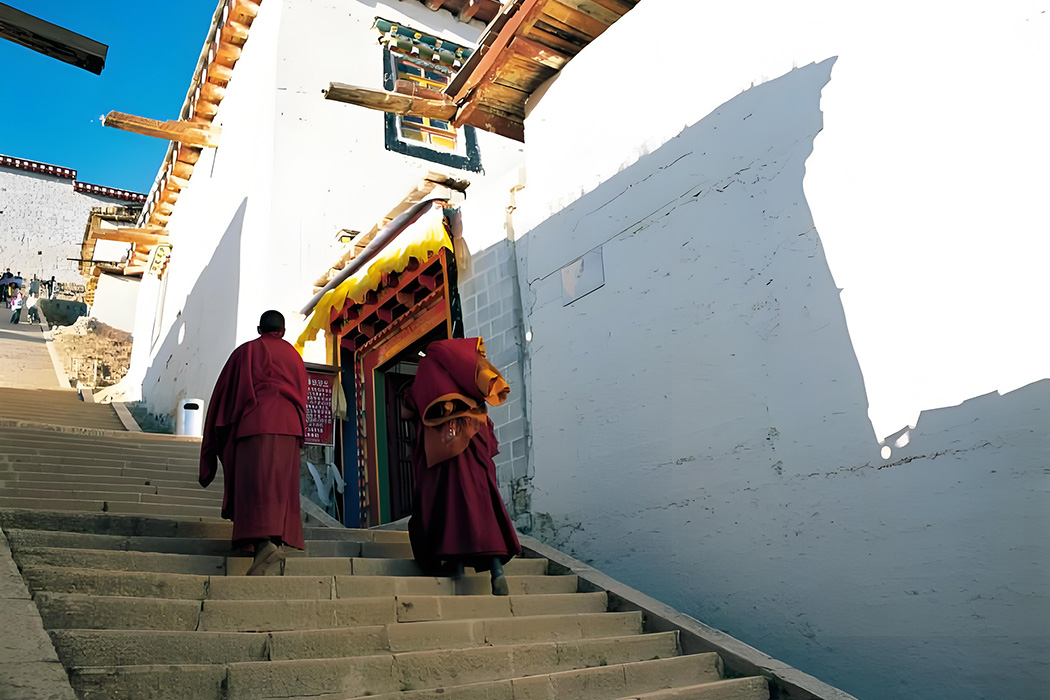
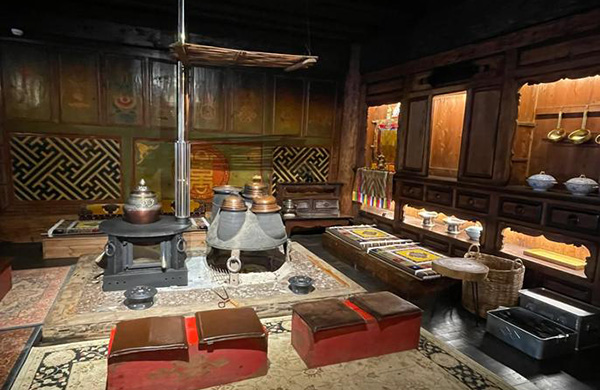
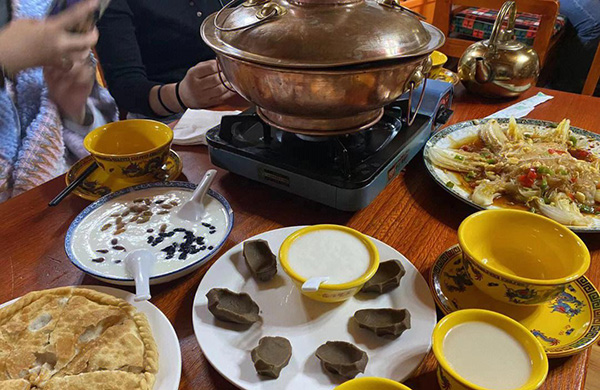
Take a Tibetan family visit to local resident home and you will learn about local Tibetan culture, religion, and cuisine. See the locals going about their daily life and also be the chance to try Tibetan food made by locals.
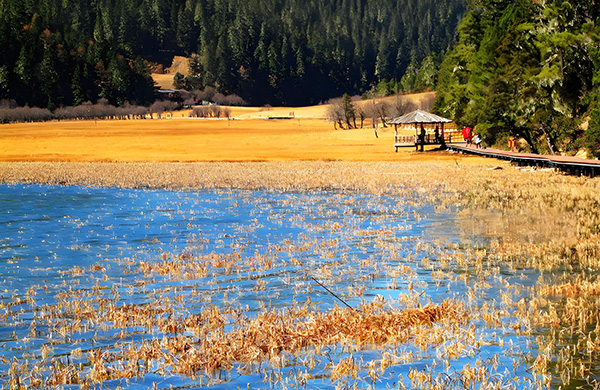
After lunch, visit the Pudacuo National Park with its crystal-clear lakes, undulating mountains and gurgling streams, it is definitely a wonderful natural wonderland.
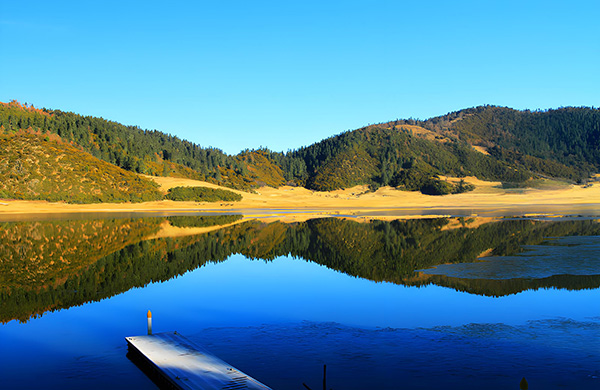
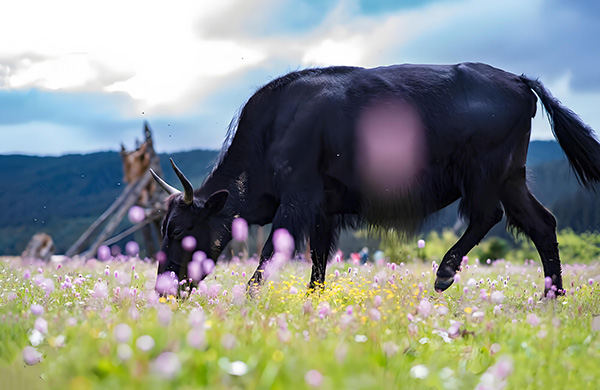
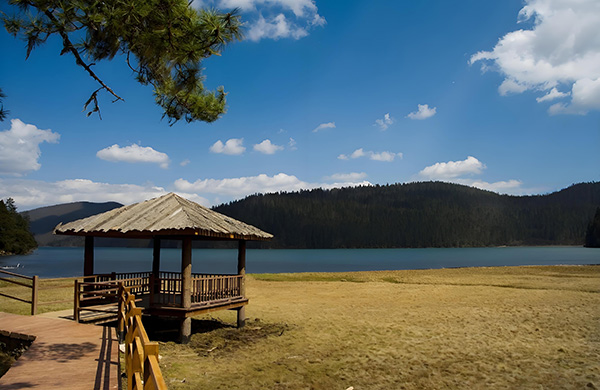
Bitahai Lake and Shuduhu Lake are two major parts of the park. Besides these two lakes, forest, marsh, valley, alpine meadow and so on can be seen in the park.
All major spots are connected by footpath which offers a closer distance for travelers to experience the natural environment. Evening is free at leisure with dinner on own.
Say goodbye to China as you will be transferred to the airport to board your returning flight home. Have a safe flight home.