 English
 Portugal
 España
CHINA TOURS
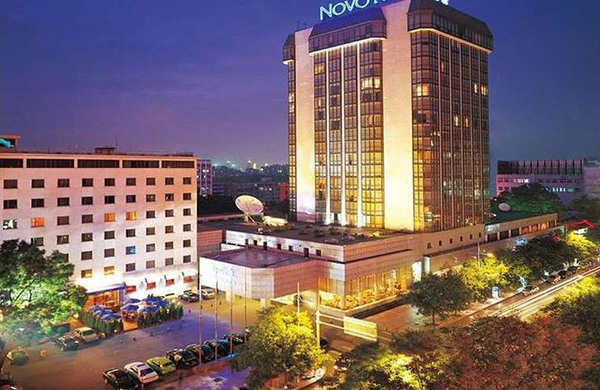
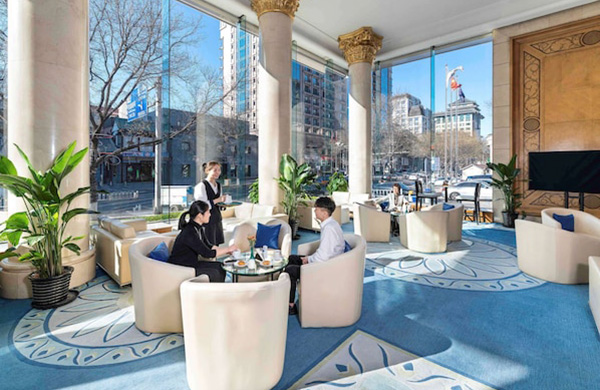
A cordial welcome by our English-speaking local representative who coordinates your ride to the hotel. After checking in, you have free time to explore this amazing city that is feverishly modernizing, transforming right before your eyes.
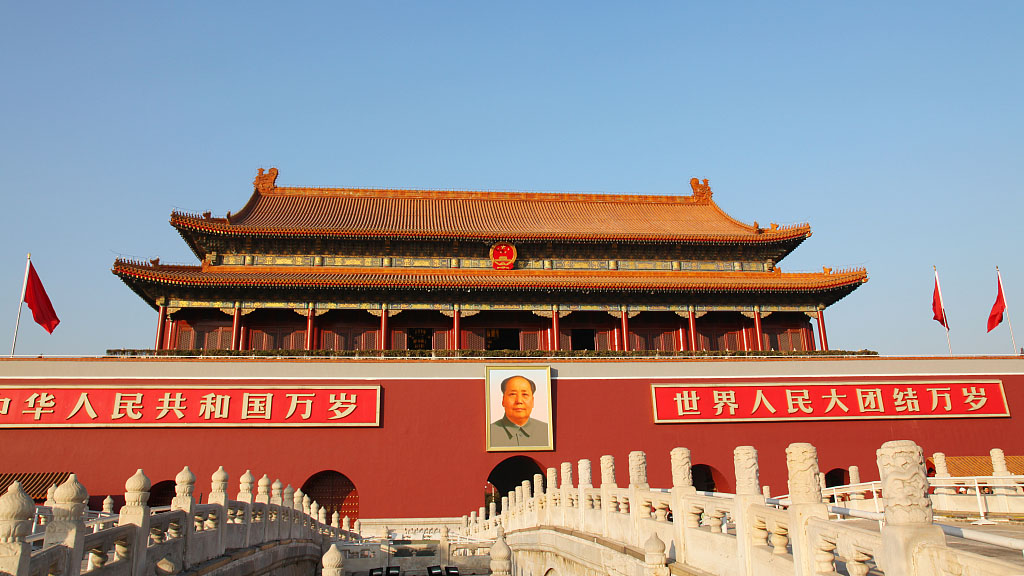
City tour begins at the Tian’anmen Square, China’s historic heart of celebration and also turbulence for almost a century, the largest public plaza in the world. It’s named after the Tiananmen ("Gate of Heavenly Peace") located to its north, which separates it from the Forbidden City imperial palace complex. You can see the exterior of the Monument to the People's Heroes, the Great Hall of the People, the National Museum of China, and the Mausoleum of Mao Zedong. Mao Zedong proclaimed the founding of the People's Republic of China in the square on October 1, 1949; the anniversary of this event is still observed there. The size of Tiananmen Square is 765 × 282 meters (215,730 m2 or 53.31 acres). It has great cultural significance as it was the site of several important events in Chinese history.
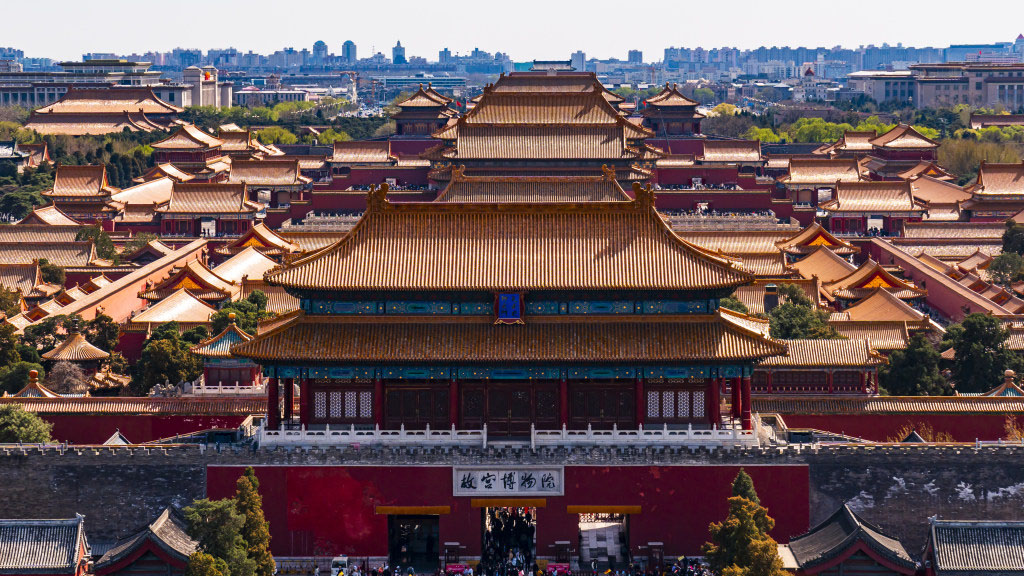
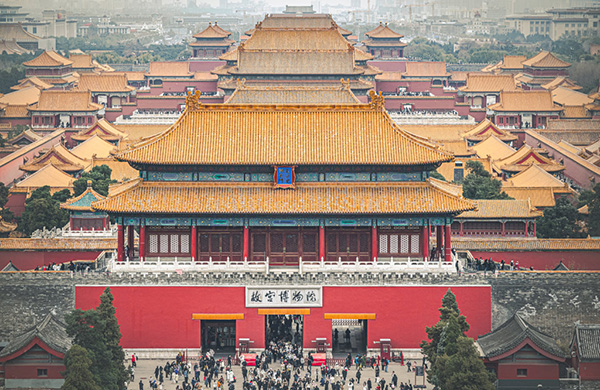
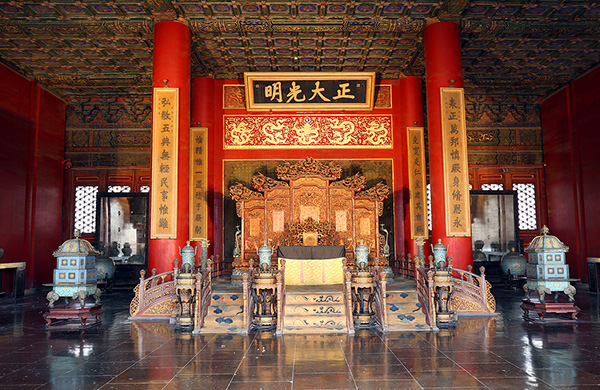
Onward to the resplendent Forbidden City/Palace Museum (closed on Monday), the imperial palace complex in the center of the Imperial City in Beijing, China. It was the residence of 24 Ming and Qing dynasty Emperors, and the center of political power in China for over 500 years from 1420 to 1924. The palace is now administered by the Palace Museum as a UNESCO World Heritage Site. The Forbidden City is arguably the most famous palace in all of Chinese history, and is the largest preserved royal palace complex still standing in the world. The complex claims to consist of 9,999 rooms in total, although experts have shown in recent years that the number only amounts to 8,886, covering 72 ha (720,000 m2)/178-acre. The palace exemplifies the opulence of the residences of the Chinese emperor and the traditional Chinese palatial architecture, and has influenced cultural and architectural developments in East Asia and elsewhere. It is listed by UNESCO as the largest collection of preserved ancient wooden structures in the world. Since 2012, the Forbidden City has seen an average of 14 million visitors annually, and received more than 19 million visitors in 2019. In 2018, the Forbidden City's market value was estimated at US$70 billion, making it both the world's most valuable palace and the most valuable piece of real estate anywhere in the world.
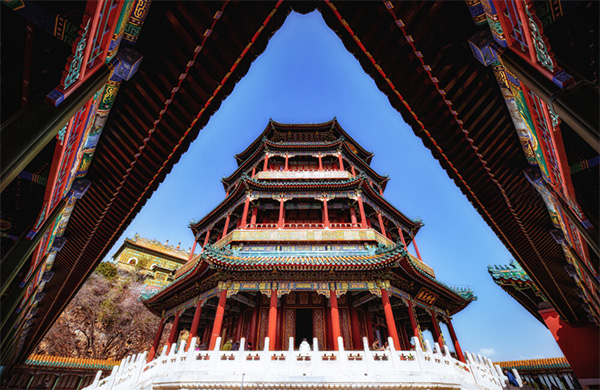
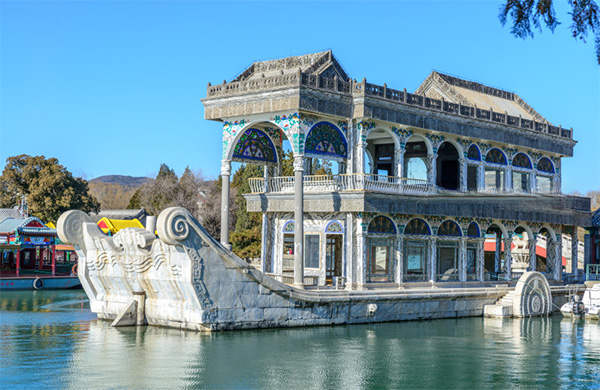
Then heading to Summer Palace, a vast ensemble of lakes, gardens and palaces in Beijing. It was an imperial garden during the Qing dynasty. Inside includes Longevity Hill, Kunming Lake and Seventeen Hole Bridge. It covers an expanse of 2.9 square kilometres (1.1 sq mi), three-quarters of which is water. There are beautiful many pavilions, mansions, temples, bridges and huge lake, and corridors. Evening is free at leisure with dinner on own.
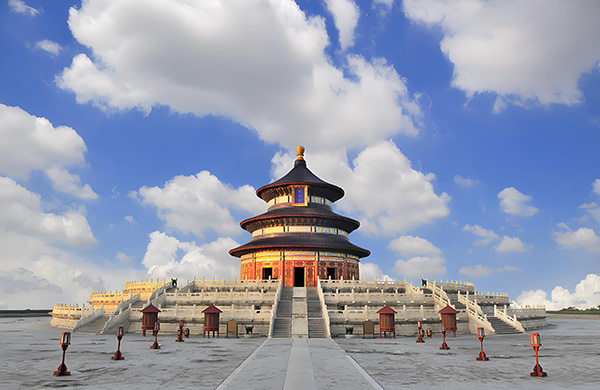
Morning exploration to Temple of Heaven, one of the finest creations of the Ming dynasty, where you will see the locals doing morning exercises, such as Taichi, Ballroom Dancing, Shuttlecock Kicking, etc. It is a complex of imperial religious Confucian buildings situated in the southeastern part of central Beijing. The complex was visited by the Emperors of the Ming and Qing dynasties for annual ceremonies of prayer to Heaven for a good harvest. The Temple of Heaven was inscribed as a World Heritage site in 1998 and was described as "a masterpiece of architecture and landscape design which simply and graphically illustrates a cosmogony of great importance for the evolution of one of the world's great civilizations..." as the "symbolic layout and design of the Temple of Heaven had a profound influence on architecture and planning in the Far East over many centuries.
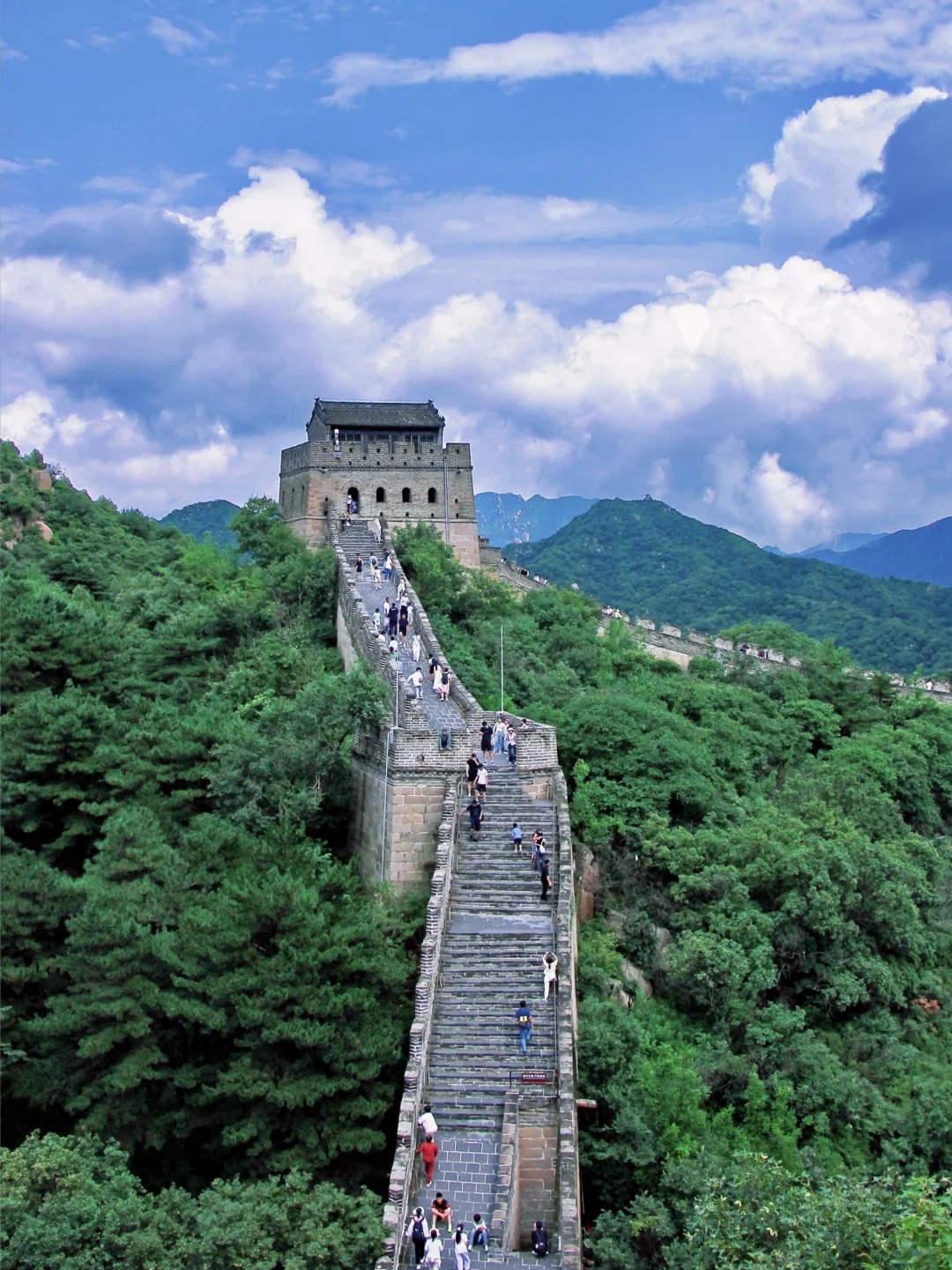
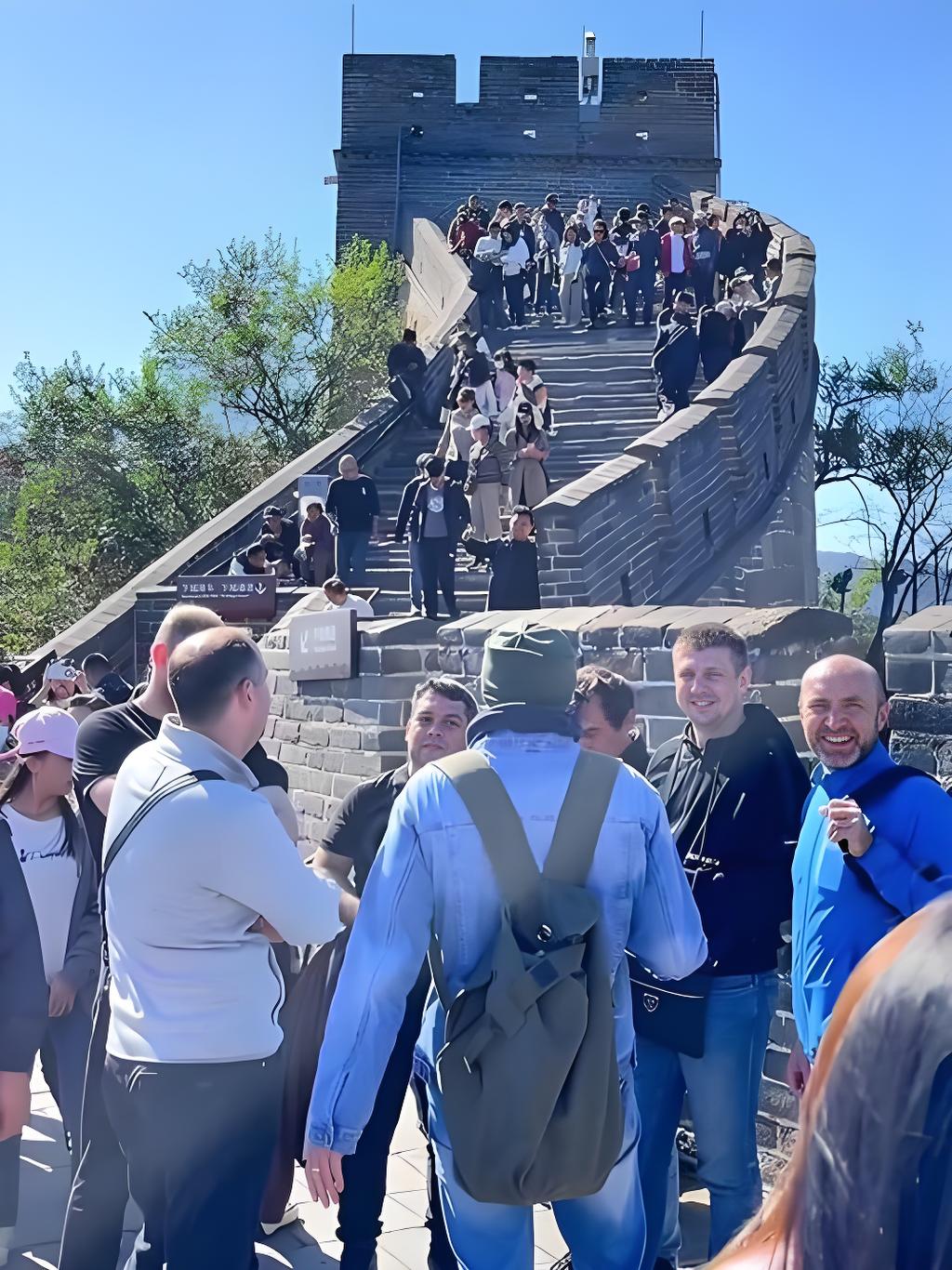
Enjoy the county food lunch at farmer’s restaurant at the foot of Great Wall, continue the excursion to Great Wall of Mutianyu with roundtrip cable car access, a rugged section of the Wall that offers less crowded access and a more striking perspective as the Wall climbs and winds over the surrounding hills. Here the Great Wall of China presents a visual experience that consistently exceeds visitors’ expectations. Scholars estimate that the Wall, averaging 25 feet in height and nearly as thick, once stretched for 3,700 miles, passing through sixteen provinces.
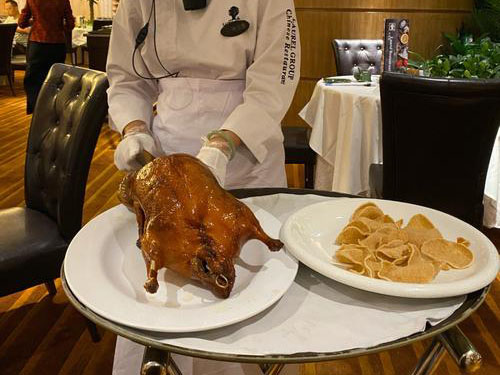
Enjoy a famous Peking Duck banquet for dinner. When we travel to a city, we often search what is the best to eat in the city. This is no doubt that Beijing Roast Duck is the world-famous dish in Beijing. Therefore, an Beijing Roast Duck meal is recommended to you after a whole day sightseeing in Beijing. After that, transfer back to hotel.
Departure transfer to railway station for high-speed train to Xian (approx. 4hr10mins riding), once arrival, meet your local English-speaking guide and transfer to your hotel.
Afternoon to visit Ancient City Wall, the fortifications of Xi'an, represent one of the oldest, largest and best preserved Chinese city walls. It was built under the rule of the Hongwu Emperor Zhu Yuanzhang as a military defense system. It exhibits the "complete features of the rampart architecture of feudal society". It has been refurbished many times since it was built in the 14th century, thrice at intervals of about 200 years in the later half of the 1500s and 1700s, and in recent years, 1983. The wall encloses an area of about 14 square kilometres (5.4 sq mi).
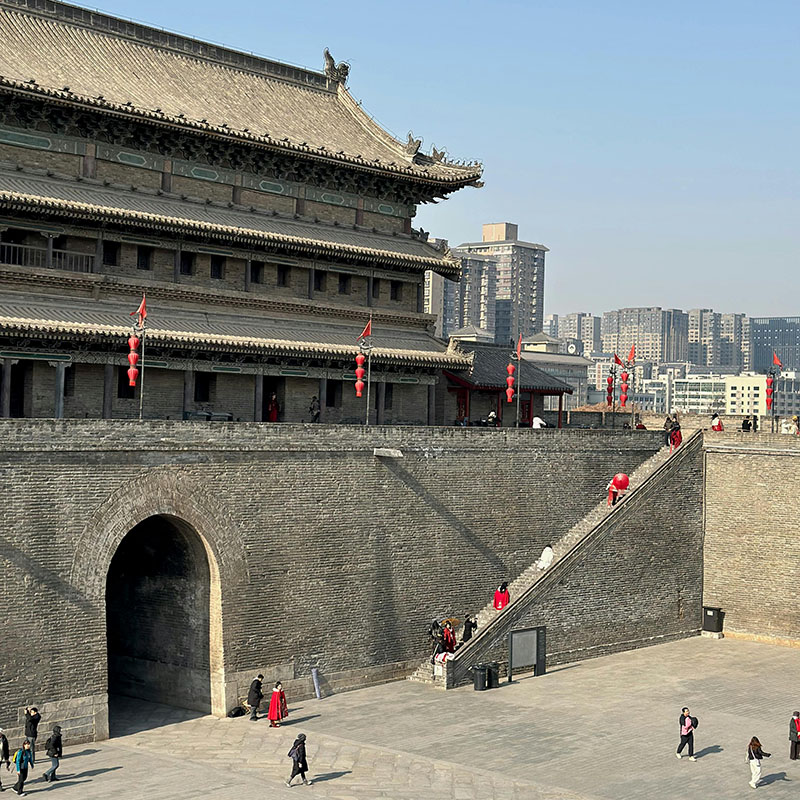
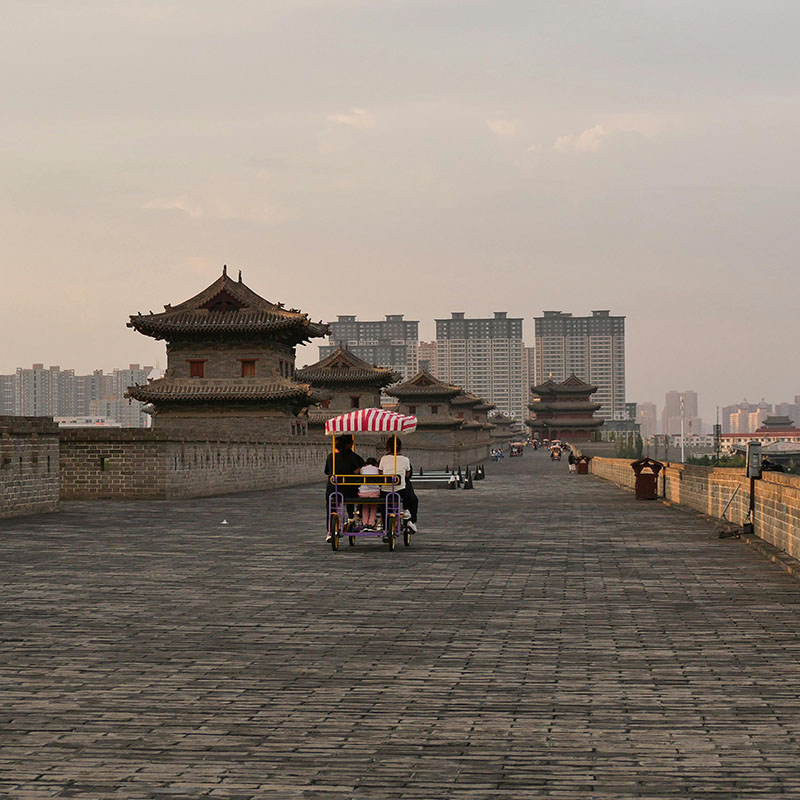
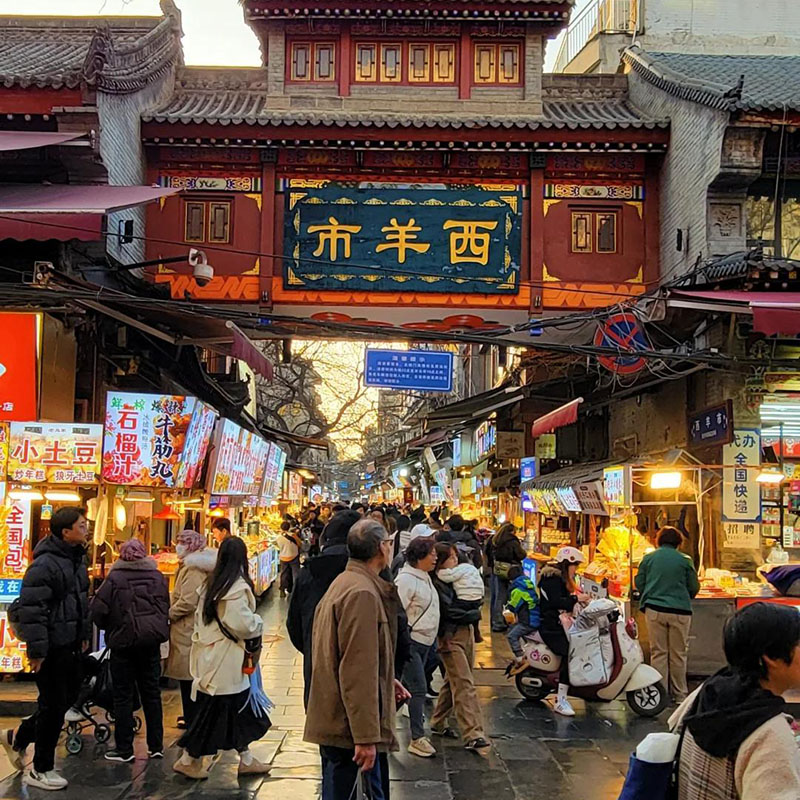
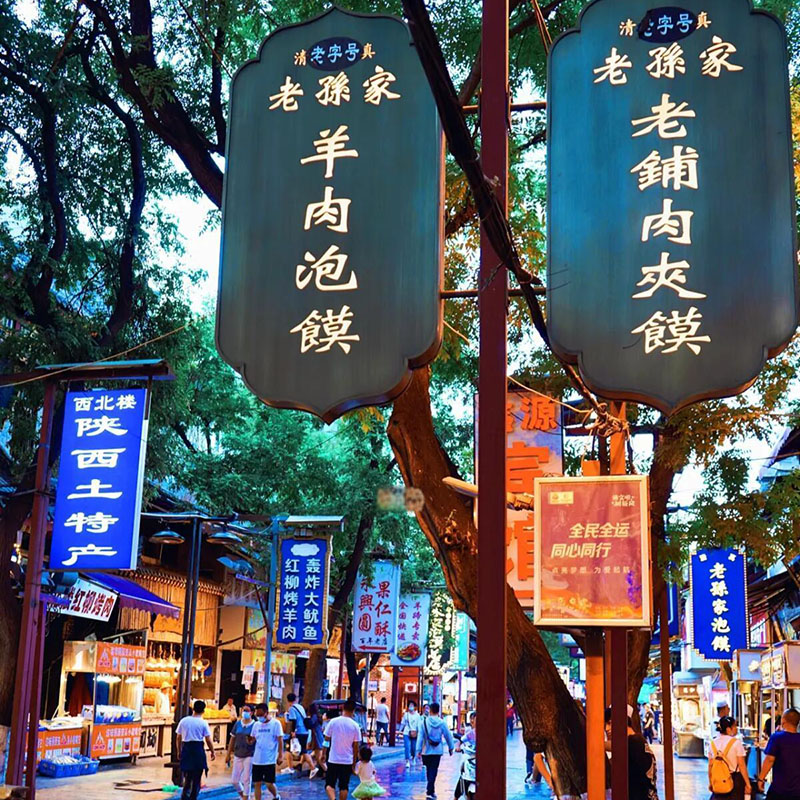
Next goal is the Muslim Quarter, a snack and commercial street situated in the center part of Xi'an. It's always looks crowded from every early morning to night and it's owns such a magic charm. Your eyes must be dazzled at the various stalls and ears surprised by their interesting hawking. According to demographic statistics in 2010, about 60,000 people live in this area, more than half of which are the Huis and the others are the majority Hans. Evening is free at leisure with dinner on own.
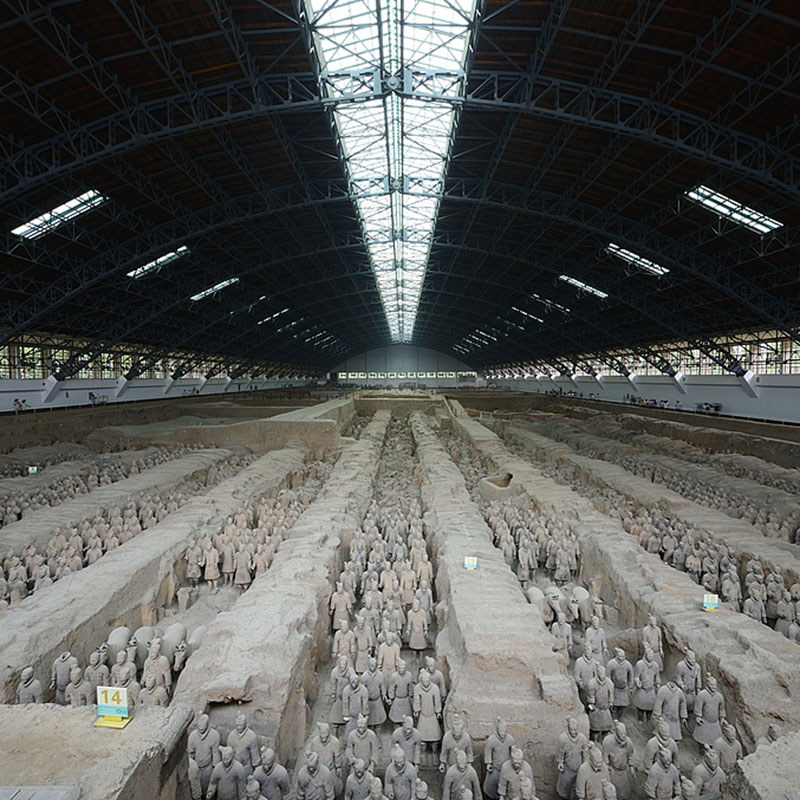
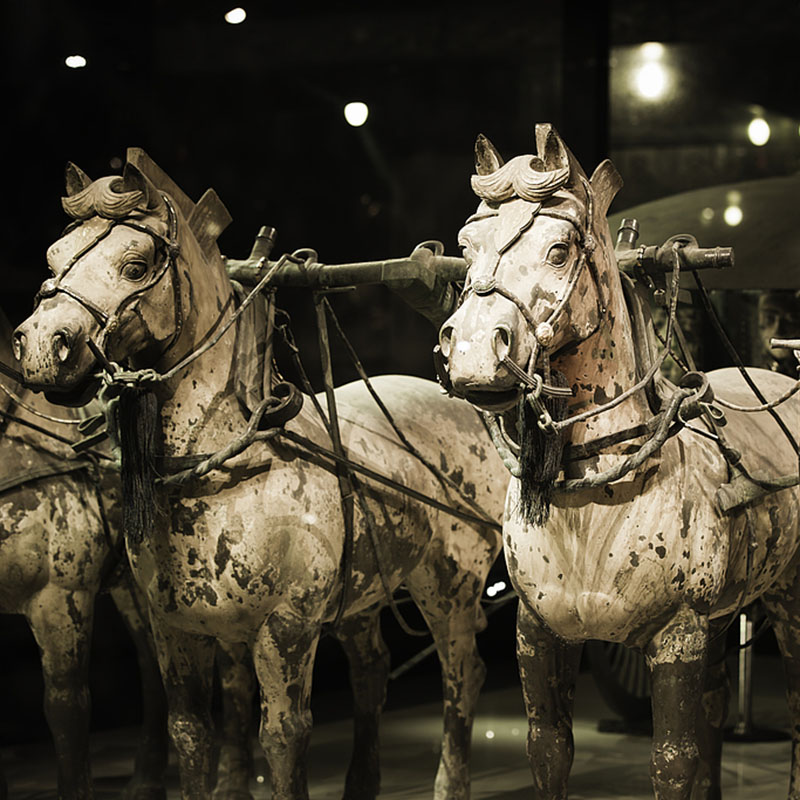
Marvel at the important Terracotta Warriors and Horses underground army pits of the 1st Qin Emperor (3rd century BCE, UNESCO site) with your own eyes and understand the magnitude of this portion of the entire mausoleum project. It’s a collection of terracotta sculptures depicting the armies of Qin Shi Huang, the first emperor of China. It is a form of funerary art buried with the emperor in 210–209 BCE with the purpose of protecting him in his afterlife. The figures, dating from approximately the late 200s BCE, were discovered in 1974 by local farmers in Lintong County, outside Xi'an, Shaanxi, China. The figures vary in height according to their rank, the tallest being the generals. The figures include warriors, chariots and horses. Estimates from 2007 were that the three pits containing the Terracotta Army hold more than 8,000 soldiers, 130 chariots with 520 horses, and 150 cavalry horses, the majority of which remain in situ in the pits near Qin Shi Huang's mausoleum. Other, non-military terracotta figures have since been found in other pits, including those of officials, acrobats, strongmen, and musicians.
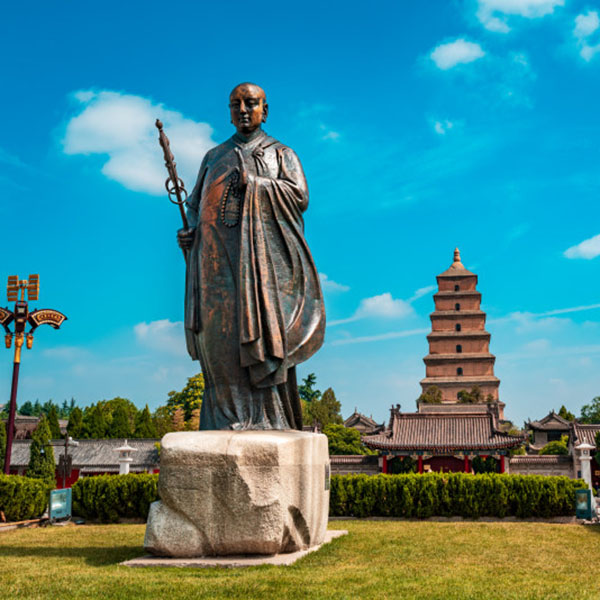
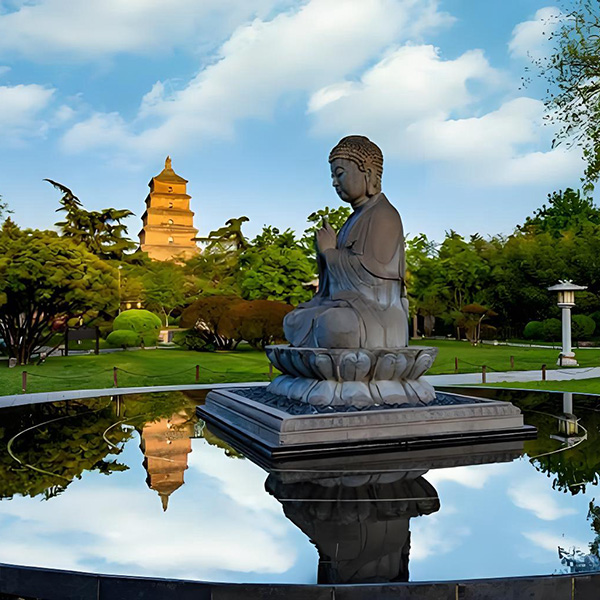
Continue to visit Big Wild Goose Pagoda, a Buddhist pagoda located in southern Xi'an. It was built in c. 652 during the Tang dynasty and originally had five stories. It was rebuilt in 704 during the reign of Empress Wu Zetian and its exterior brick façade was added during the Ming dynasty. One of the pagoda's many functions was to hold sutras and figurines of Gautama Buddha that were brought to China from India by the seventh-century Buddhist monk, scholar, traveller, and translator Xuanzang. Today, the interior walls of the pagoda feature engraved statues of Buddha by the renowned 7th-century artist Yan Liben. This pagoda was added to the World Heritage List, along with many other sites along the Silk Road, as part of the "Silk Roads: the Routes Network of Chang'an-Tianshan Corridor" site in 2014.
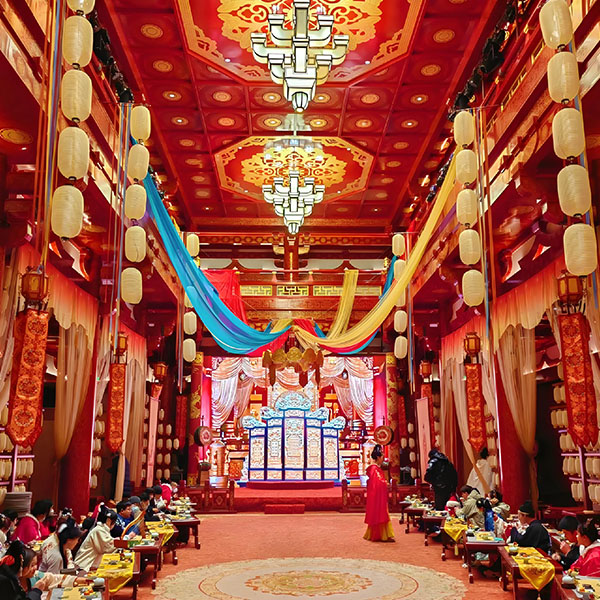
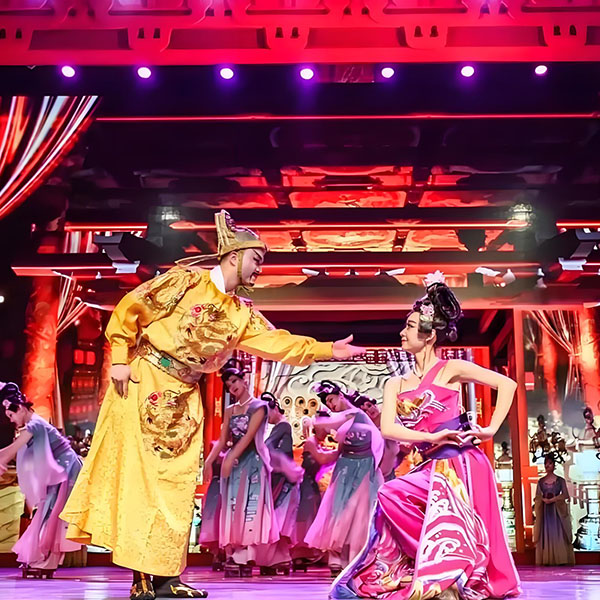
Enjoy the Tang Dynasty Show with Dinner in early evening. It's a performance of Changan music and dance originated in China's Tang Dynasty over a thousand years ago. It has been recreated in accordance with various historical records as well as ancient art and relics discovered in Xian, the capital of the empire during the Tang Dynasty. After that, transfer back to hotel.
Transfer to airport for flight to Guilin, once arrival, meet your local English-speaking guide and transfer to your hotel.
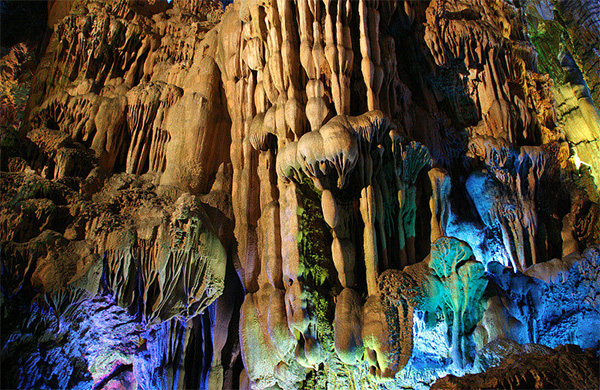
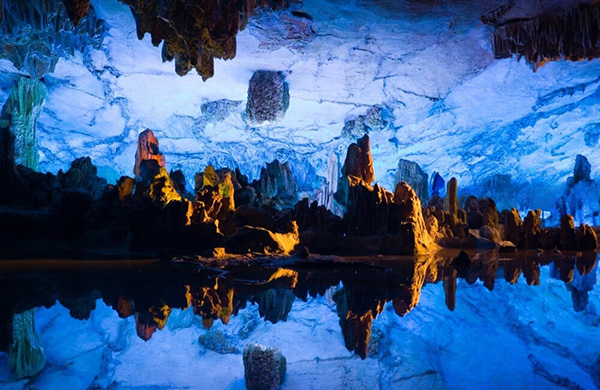
Explore the Reed Flute Caves, got its name from the type of reed growing outside, which can be made into flutes. Reed Flute Cave is filled with a large number of stalactites, stalagmites and other rock formations. Inside, there are more than 70 inscriptions of poems and travelogues written in ink, the oldest of which can be dated to 792 AD in the Tang dynasty. It was rediscovered in the 1940s by a group of refugees fleeing the Japanese troops. Nowadays, multicolored lighting artificially illuminates the cave. It is filled with various stalactites and stalagmites, which are named according to what they look like and the legends surrounding them, Crystal Palace, Fish Tail Peak, and Dragon Pagoda. One giant stalactite is said to have been the magic spear of the Dragon King, used by the Monkey King Sun Wukong in the Chinese Buddhist classic, Journey to the West.
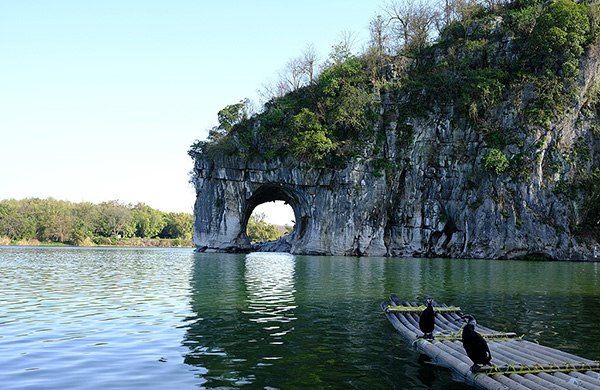
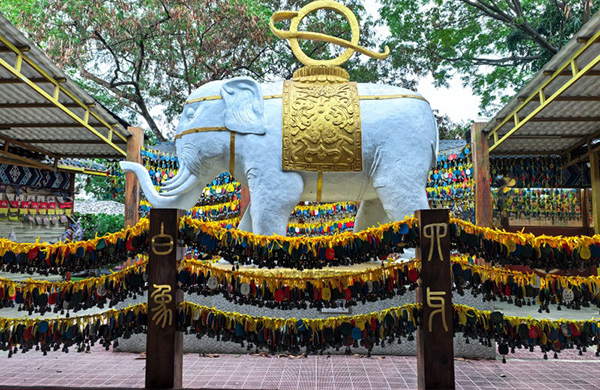
Head to the Elephant Trunk Hill, the landmark of Guilin. It got its name because it looks like an elephant drinking water. The round opening that would be under the elephant’s trunk is known as Water-Moon Cave because at night the reflection of the moon can be seen through the arch and it looks as if it is under the water and floating on the surface of the water at the same time. Elephant Trunk Hill and Water-Moon Cave are located at the confluence of the Taohua River and the Lijiang River. Evening is free at leisure with dinner on own.
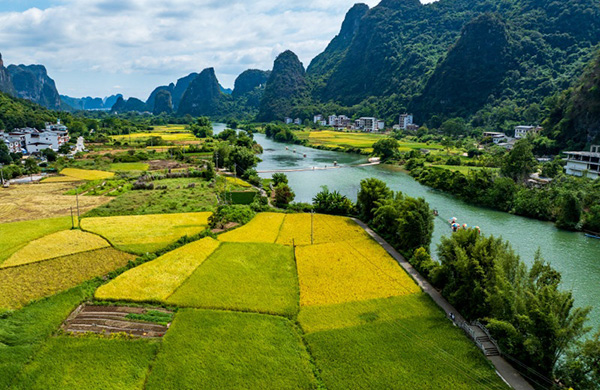
Start the morning cruise down the lovely Li River and appreciate the unfurling of this ethereal landscape painting with new vistas at each turn. The peaceful limpid water and otherworldly limestone Karst formations that were at the bottom of the sea hundreds of millions of years ago come together to form unforgettable panoramas. Lunch is served onboard. After cruising for about four and a half hours, the one-thousand-year-old Yangshuo Town comes into sight. Yangshuo is a small oriental but Western-influenced town with a history of 1000 years, surrounded by karst peaks and bordered on one side by the Li River. The West Street in the town earns its name since almost every one in West Street can speak fluent English and every restaurant or bar offers menus in several languages. Explore the local villages around the county. Late afternoon, transfer back to hotel in Guilin and evening is free at leisure with dinner on own.
Transfer to airport for flight to Shanghai, once arrival, meet your local English-speaking guide and transfer to your hotel. Enjoy the free time to explore this amazing city, which described as the "showpiece" of the economy of China and it is one of the ten biggest economic hubs in the world.
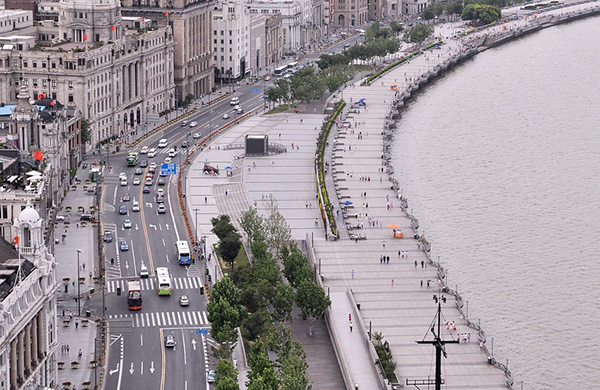
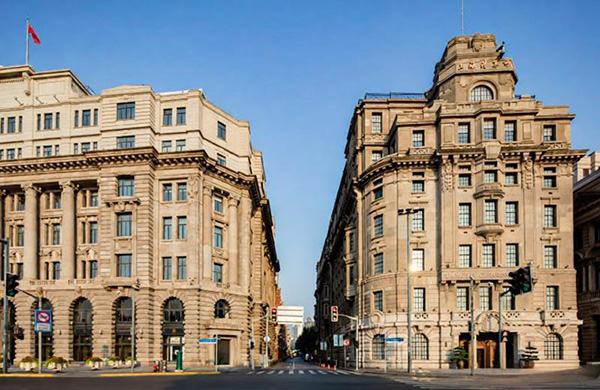
Start the day to stroll along the Bund, a waterfront area and a protected historical district in central Shanghai. The area centers on a section of Zhongshan Road within the former Shanghai International Settlement, which runs along the western bank of the Huangpu River in the eastern part of Huangpu. The area along the river faces the modern skyscrapers of Lujiazui in Pudong. The Bund usually refers to the buildings and wharves on this section of the road, as well as some adjacent areas. This region has a significant European influence, with the style of many structures most comparable to that of European cities, particularly Gothic, Baroque, Neoclassical, Romanesque, Art Deco, and Renaissance architecture. Additionally, some of the city's top eateries are located there. From the 1860s to the 1930s, it was the rich and powerful center of the foreign establishment in Shanghai, operating as a legally protected treaty port.
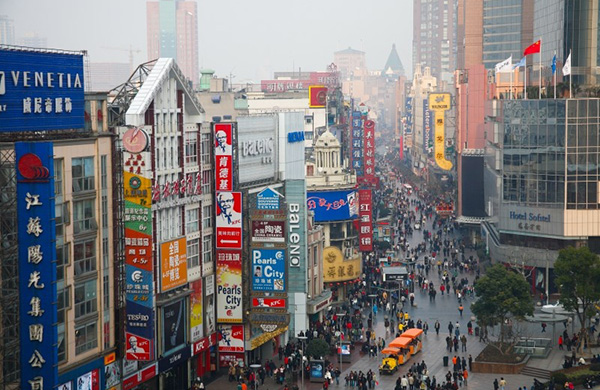
Then visit the Nanjing Road, the eastern part of which is the main shopping district of Shanghai. It is one of the world's busiest shopping streets, along with Fifth Avenue, Oxford Street, Orchard Road, Takeshita Street and the Champs-Élysées. In some contexts, "Nanjing Road" refers only to what was pre-1945 Nanjing Road, then rendered as Nanking Road in English. The former Nanking Road lay entirely within the Shanghai International Settlement. Today's Nanjing Road West was formerly Bubbling Well Road, an extra-settlement road built by concession authorities outside the concession proper. The two roads met on the northern edge of the Shanghai Race Club.
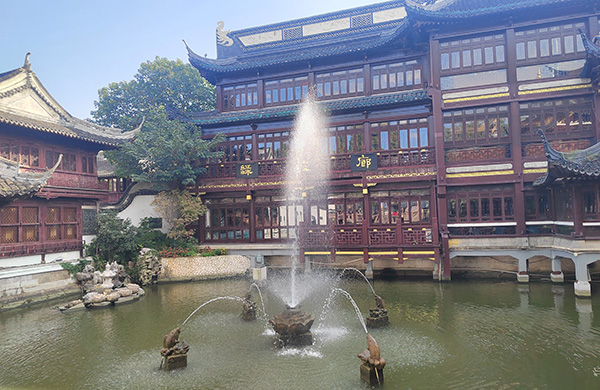
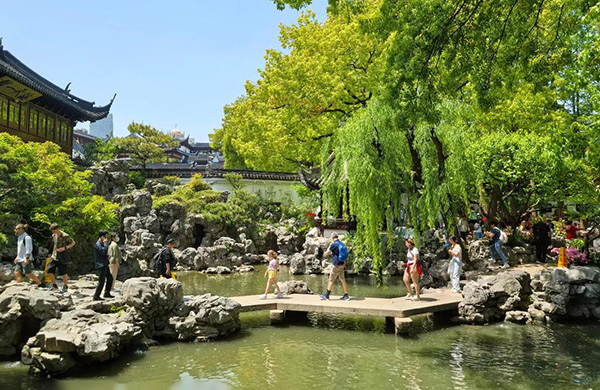
Continue to the 400-year-old Yu Garden (closed on Monday), an extensive Chinese garden located beside the City God Temple in the northeast of the Old City of Shanghai at Huangpu District, Shanghai. It abuts the Yuyuan Tourist Mart, the Huxinting Teahouse and the Yu Garden Bazaar. This garden is accessible from the Shanghai Metro's Line 10 and Line 14 Yuyuan Garden station. Boasting over 40 scenic spots, including pavilions, rock formations, and ponds, it is now a key site under state-level protection. A centerpiece is the Exquisite Jade Rock a porous 3.3-m, 5-ton boulder. Rumours about its origin include the story that it was meant for the Huizong Emperor (Northern Song dynasty from 1100 to 1126 AD) the imperial garden in Bianjing, but was salvaged from the Huangpu River after the boat carrying it had sunk. Outside of the garden is the famous Chen Huang Miao Bazaar– an area of shops, restaurants and recreation facilities.
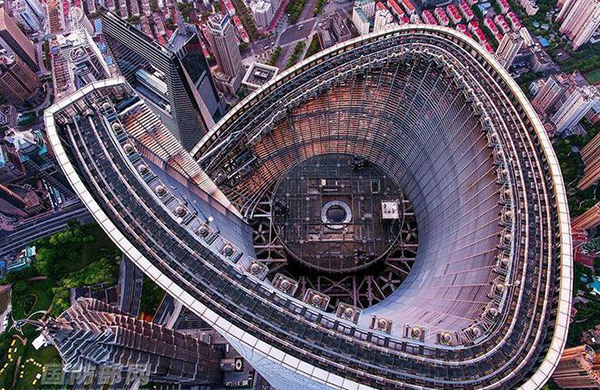
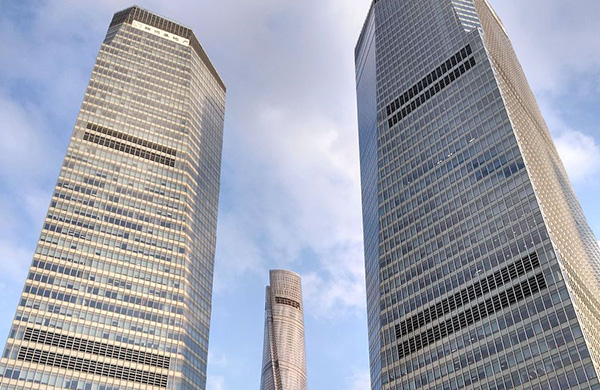
After Chinese Dim-sum lunch at local restaurant, continue to explore the Shanghai Tower, a 128-story, 632-meter-tall (2,073 ft) megatall skyscraper located in Lujiazui, Pudong, Shanghai. Designed by the international design firm Gensler and owned by the Shanghai Municipal Government, it is the tallest of the world's first triple-adjacent supertall buildings in Pudong, the other two being the Jin Mao Tower and the Shanghai World Financial Center. Its tiered construction, designed for high energy efficiency, provides nine separate zones divided between office, retail and leisure use.The US-based Council on Tall Buildings and Urban Habitat cites it as "one of the most sustainably advanced tall buildings in the world. Since 26 April 2017, the sightseeing decks on the 118th and 119th floors (546 m and 552 m high respectively) has been fully open to the public. By 2020, the opening of a further deck, dubbed the "Top of Shanghai" on the 121st floor at 562 m (1844 ft), made it the highest observation deck in the world, beating out the Burj Khalifa's observation deck at 555 m (1823 ft).
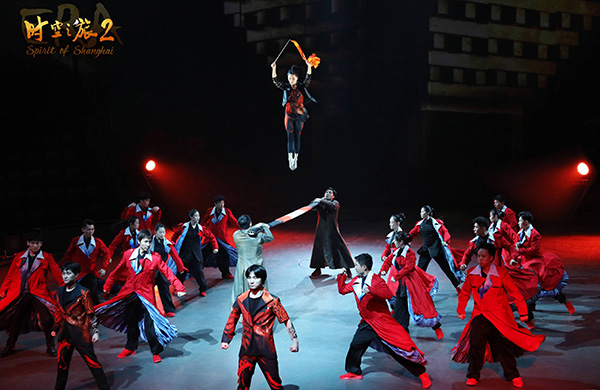
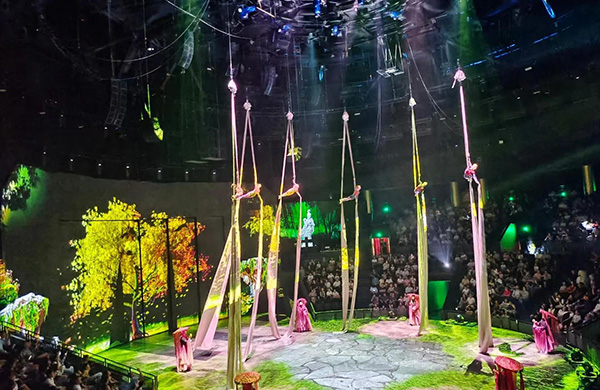
After dinner at local restaurant, enjoy a amazing Acrobatic Show at ERA Theatre. It hosts one of the best acrobatic shows in town. ERA - Intersection of Time put on in the theater is a multi million-dollar stunning acrobatic extravaganza, the first of its kind in China, ERA is a multimedia odyssey whose inspiration is a direct result of the combination of traditional Chinese acrobatic arts and modern technology. The highlight of ht show includes Mirror Mirage, Magic Water, Floating Gondola, Music of ERA, Jar Juggling, Wheel of Life, Space Motorcycles. After that, transfer back to hotel.
Say goodbye to China as you will be transferred to the airport to board your returning flight home. Have a safe flight home.