 English
 Portugal
 España
CHINA TOURS
A cordial welcome by our local representative who coordinates your ride to the hotel. After checking in, you have free time to explore this amazing city that is feverishly modernizing, transforming right before your eyes.
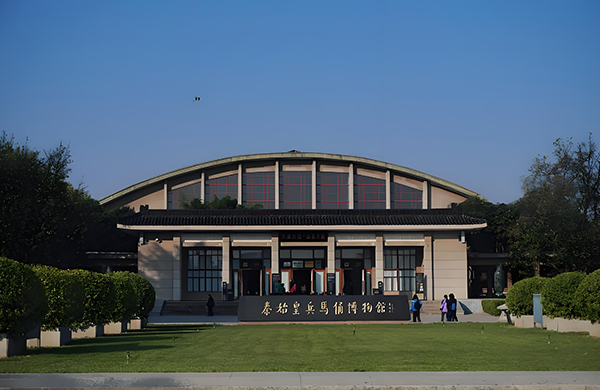
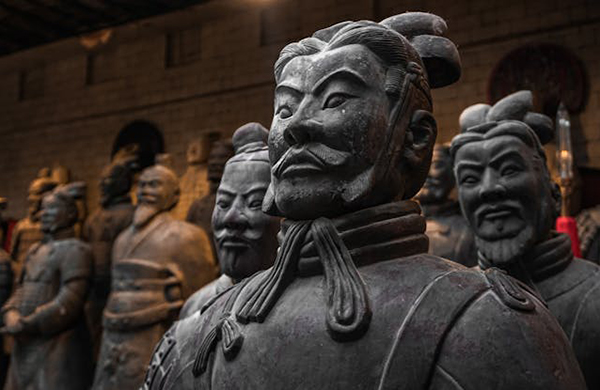
Marvel at the important Terracotta Warriors and Horses underground army pits of the 1st Qin Emperor (3rd century BCE, UNESCO site) with your own eyes and understand the magnitude of this portion of the entire mausoleum project. It’s a collection of terracotta sculptures depicting the armies of Qin Shi Huang, the first emperor of China. It is a form of funerary art buried with the emperor in 210–209 BCE with the purpose of protecting him in his afterlife. The figures, dating from approximately the late 200s BCE, were discovered in 1974 by local farmers in Lintong County, outside Xi'an, Shaanxi, China. The figures vary in height according to their rank, the tallest being the generals. The figures include warriors, chariots and horses. Estimates from 2007 were that the three pits containing the Terracotta Army hold more than 8,000 soldiers, 130 chariots with 520 horses, and 150 cavalry horses, the majority of which remain in situ in the pits near Qin Shi Huang's mausoleum. Other, non-military terracotta figures have since been found in other pits, including those of officials, acrobats, strongmen, and musicians.
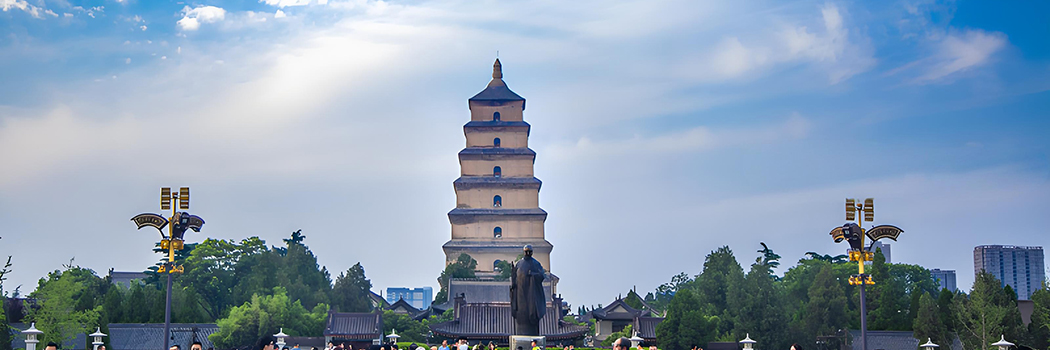
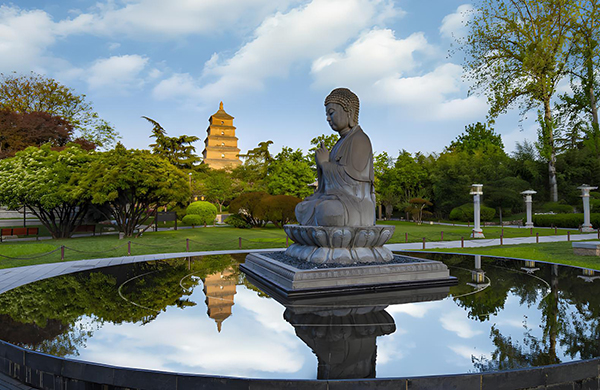
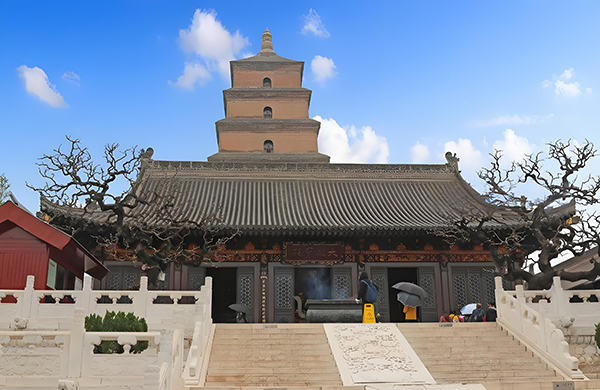
Continue to visit Big Wild Goose Pagoda, a Buddhist pagoda located in southern Xi'an. It was built in c. 652 during the Tang dynasty and originally had five stories. It was rebuilt in 704 during the reign of Empress Wu Zetian and its exterior brick façade was added during the Ming dynasty. One of the pagoda's many functions was to hold sutras and figurines of Gautama Buddha that were brought to China from India by the seventh-century Buddhist monk, scholar, traveller, and translator Xuanzang. Today, the interior walls of the pagoda feature engraved statues of Buddha by the renowned 7th-century artist Yan Liben. This pagoda was added to the World Heritage List, along with many other sites along the Silk Road, as part of the "Silk Roads: the Routes Network of Chang'an-Tianshan Corridor" site in 2014.
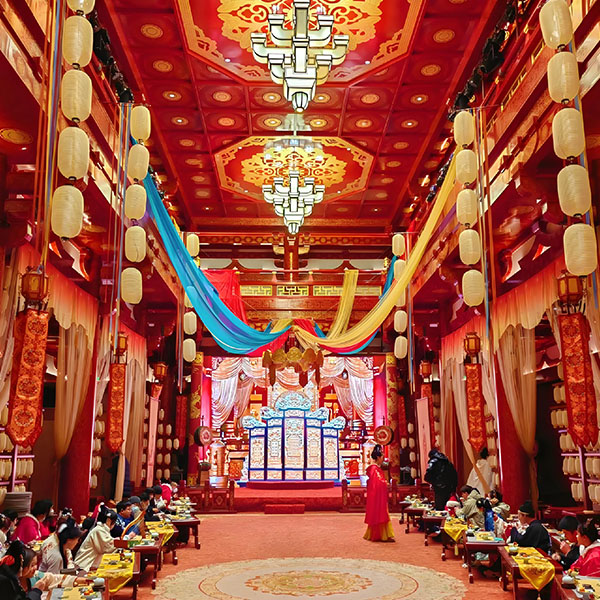
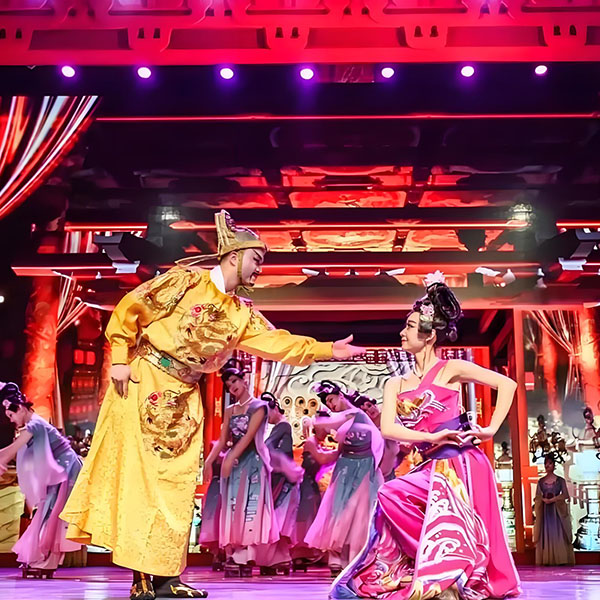
Enjoy the Tang Dynasty Show with Dinner in early evening. It's a performance of Changan music and dance originated in China's Tang Dynasty over a thousand years ago. It has been recreated in accordance with various historical records as well as ancient art and relics discovered in Xian, the capital of the empire during the Tang Dynasty. After that, transfer back to hotel.
Summary: You will take the adventure tour along the main route of ancient silk road from Lanzhou, Xiahe, Zhangye, Jiayuguan to Dunhuang. You may not only learning about the treasure of the silk road culture and Buddhism art but also enjoy the wonderful natural scenery in the northwest of China. You have chance to experience the camel ride in the desert like ancient caravans. You will experience camping near the desert.
The guide and driver will meet you at Lanzhou airport upon arrival. Then transfer you to Lanzhou city for checking in. (According to your arrival time, we would like to show you around the scenery along the bank of yellow river in Lanzhou if timing is ok.)
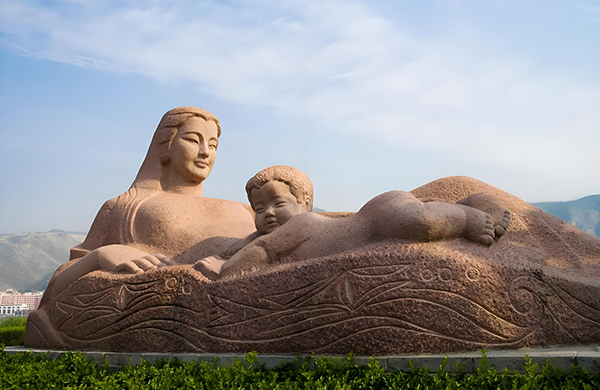
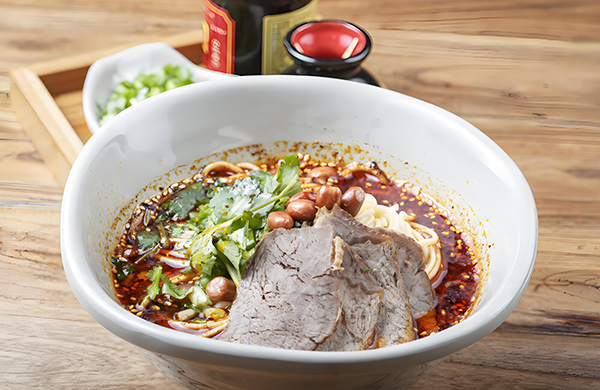
Lanzhou city is an important transportation hub along the silk road. Now it is capital city of Gansu province with a population of 3.3 million. Lanzhou is also the only city which the yellow river runs through. Beef noodle can be the special local flavor in Lanzhou where it was originally found in Qing dynasty.
Accommodation: In Lanzhou
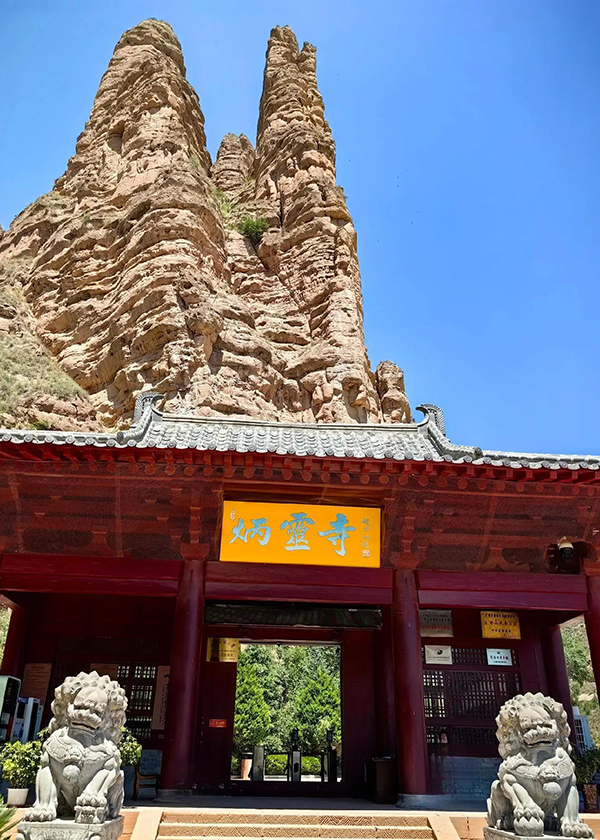
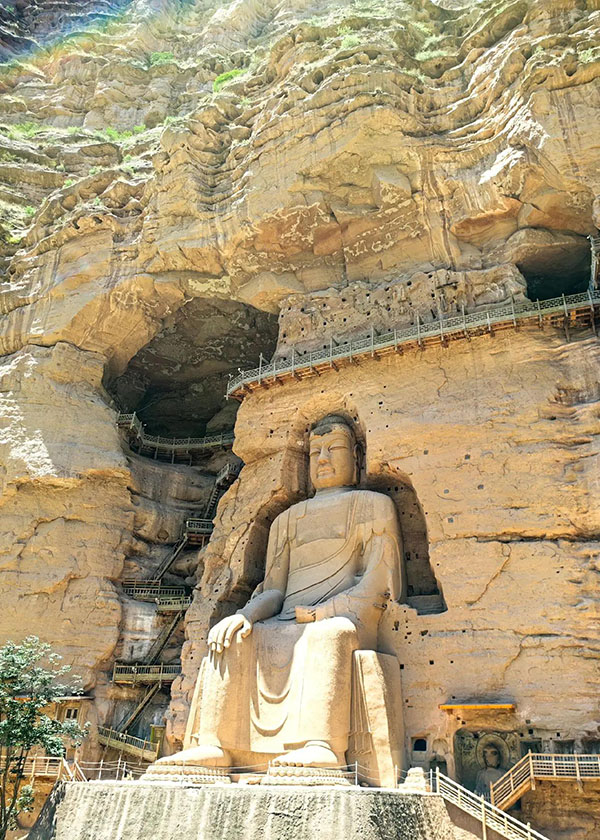
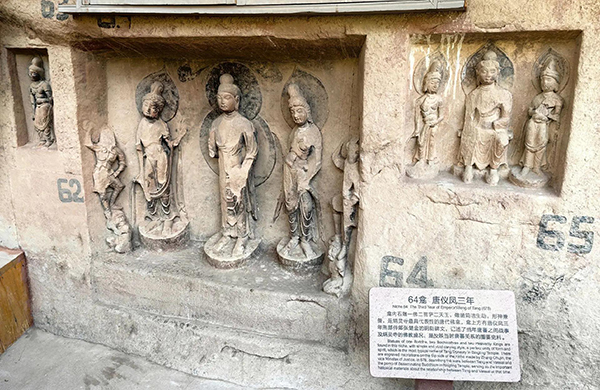
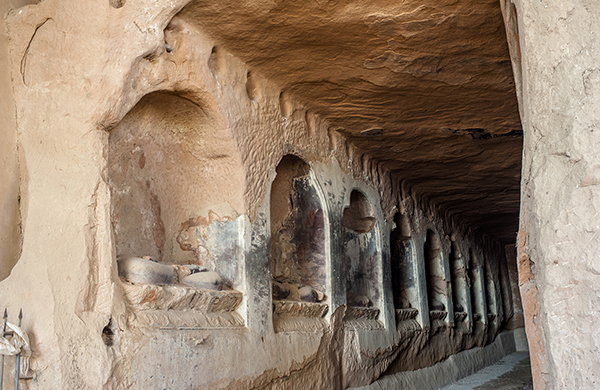
After breakfast drive to visit the Binglingsi grottos in the south of Lanzhou. (After arrival at Yongjing city, you will take speed boat to reach to Binglingsi grottos). These grottos were built during the Western Qin, North Wei, Sui, Tang, and Song, Yuan, Ming, Qing dynasties (from 3 to 18 century AD), which stretch for 200 meters long along the cliff.
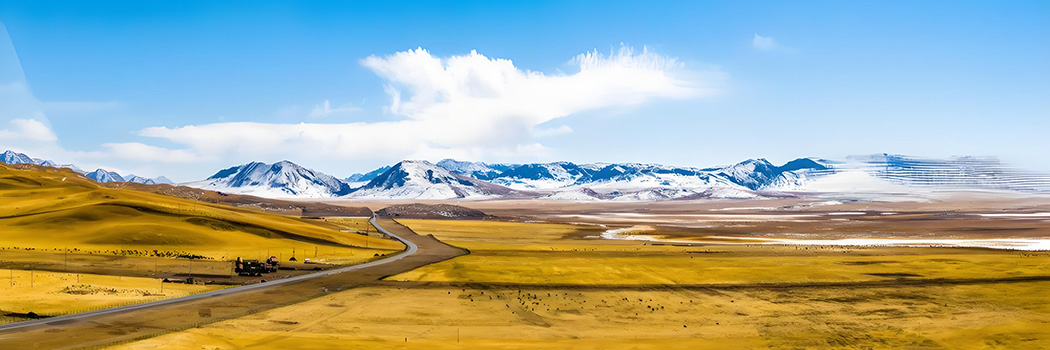
After this drive to Xiahe to visit the Sangke grassland, where you will see the Tibetan nomads left on the grasslands, and graze their yak herds.
Accommodation: In Xiahe
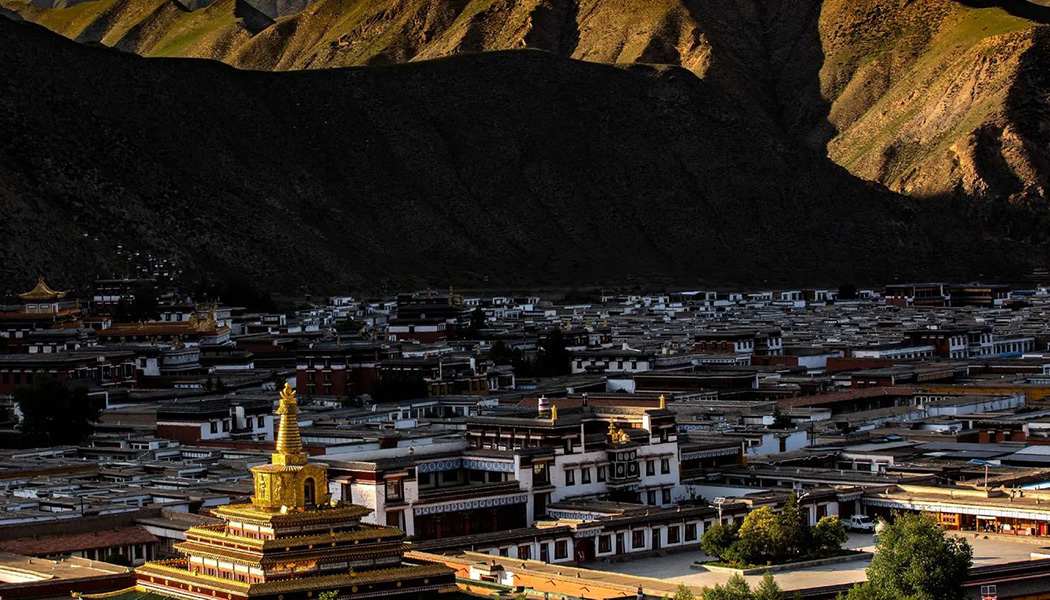
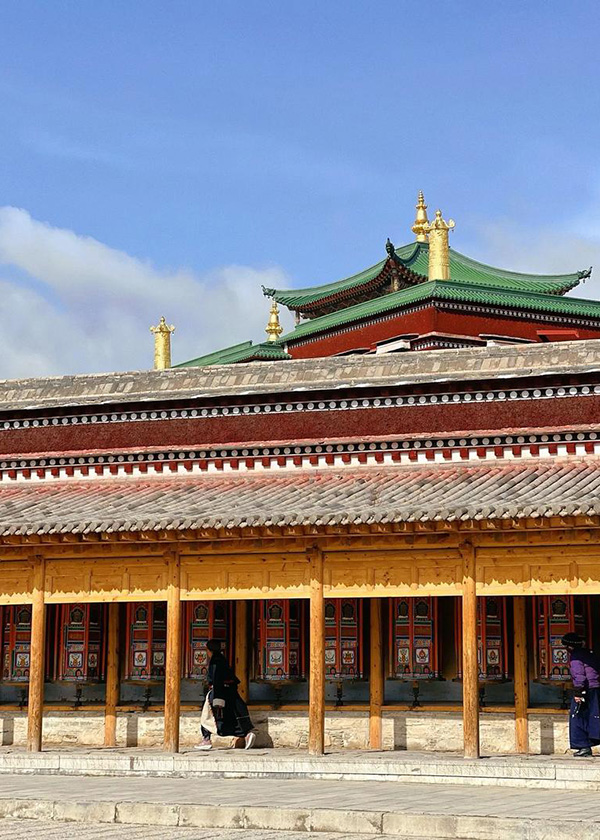
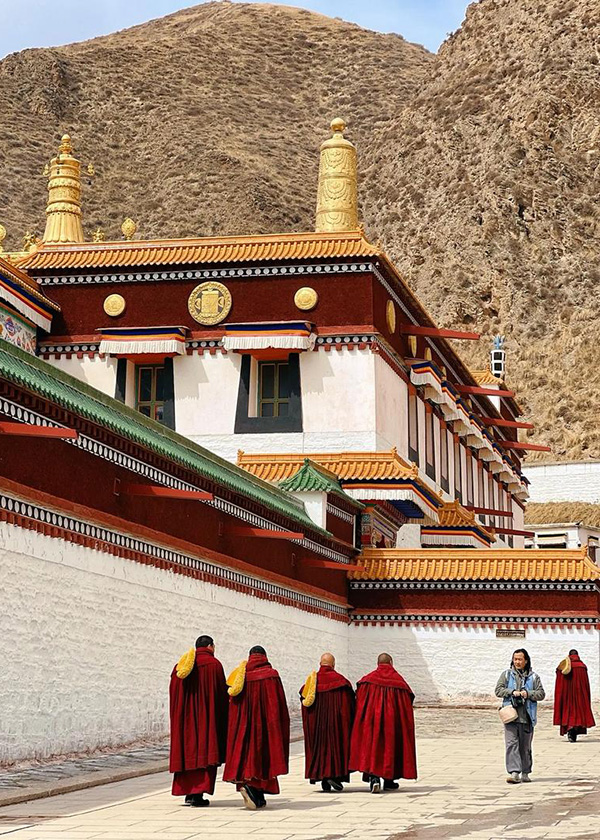
After breakfast start to visit the Labrang monastery, one of the six most famous monasteries of Tibetan Buddhism. The monastery is reputed for its rich Tibetan culture, imposing Buddhist structures, special Tibetan food, and the longest corridor of prayer wheels around the monastery. It is a holy place where Buddhism followers learn the essence of Buddhism and retains the best Tibetan Buddhist teaching system in the country, which is well known as the "World Library of Tibet" in the world. In the heyday, the number of monks reached over 4,000 people. In the afternoon, drive to Lanzhou fast train station (238kms, 3-4hrs bus ride) to Zhangye.
Accommodation: In Zhangye
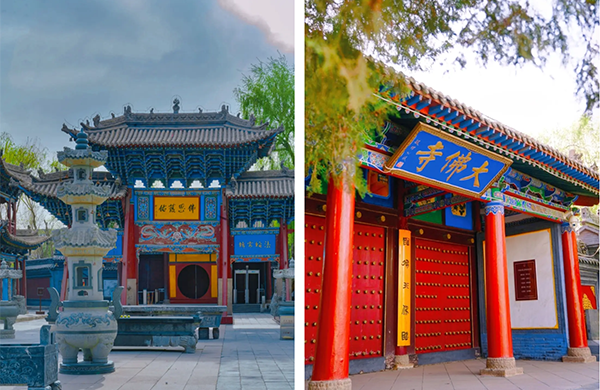
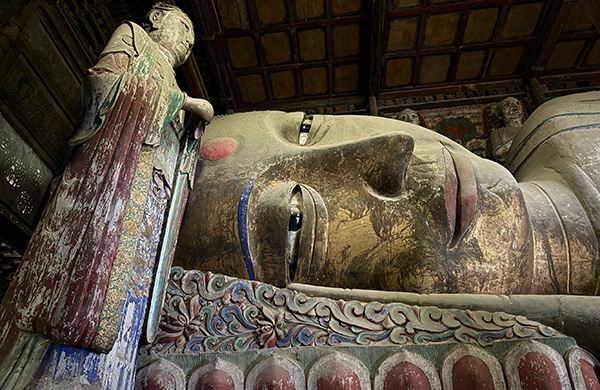
After breakfast we will start from the Giant Buddha temple in the Zhangye city, which was an important place of the ancient Silk Road. It is in the city proper of Zhangye city and it was a famous imperial temple in the history. When you get there, you will see the biggest indoor reclining Buddha sculpture in China, which was built in west Xia dynasty about 11 century AD. It is 34.5meters long and 7.5 meters wide between two shoulders. Its ear is 4 meters long, and its feet are 5.2 meters long. Behind the reclining Buddha palace there are hidden Buddhism sutra pavilion and a clay pagoda.
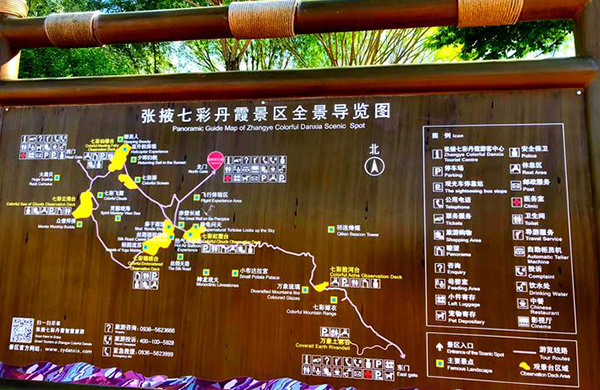
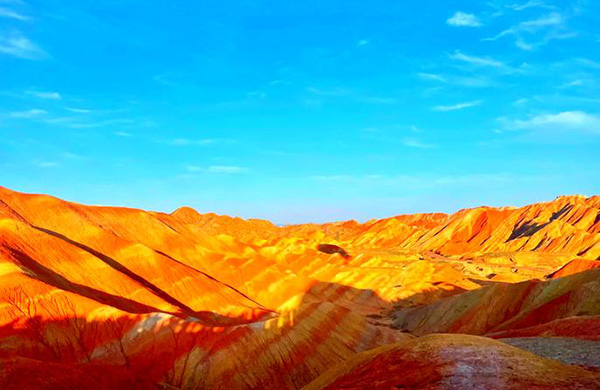
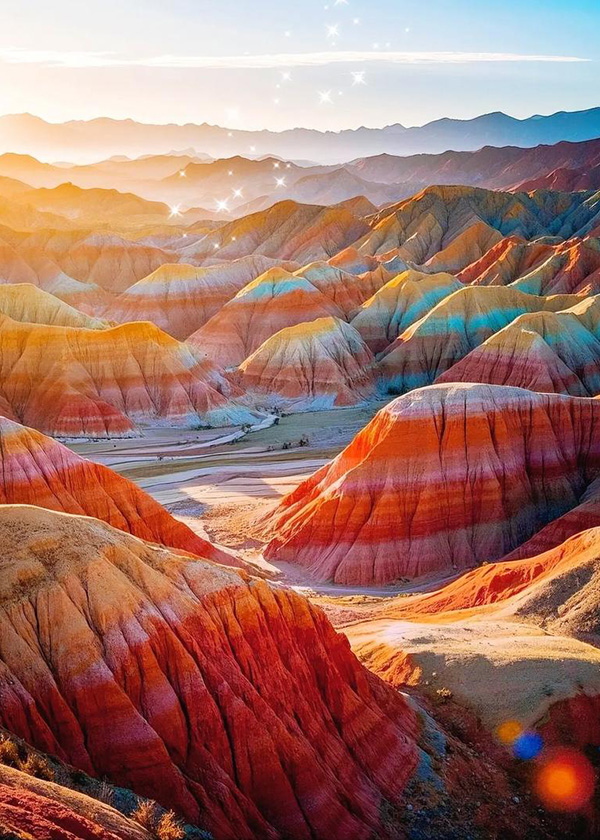
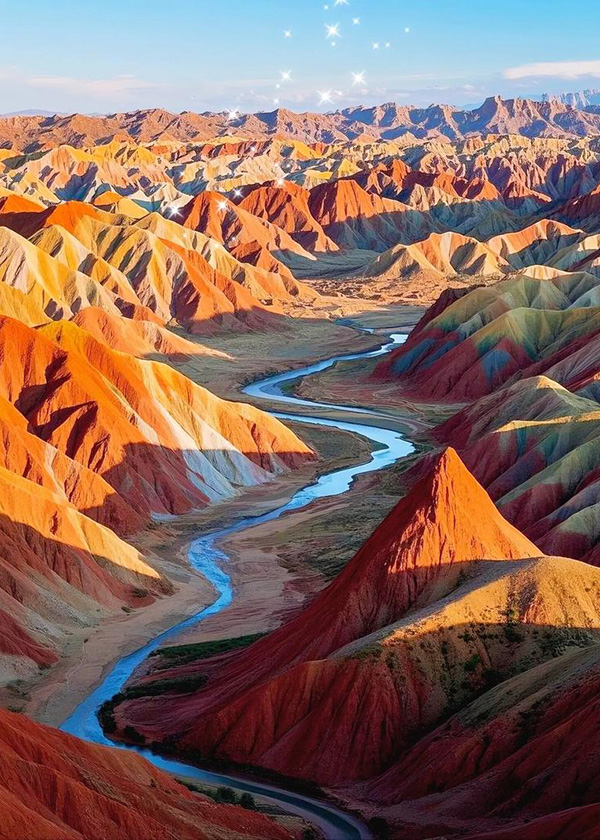
The tour today will end up to visit the famous Zhangye Danxia National Geological Park. It is an amazing place for people who like traveling and photographing, which is the most typical arid area of northwest of China. Ribbons of reds, oranges and yellows slice through the rock, to create a rainbow vista contained only by the contours of the jagged mountain peaks, so local people prefer to call it "Rainbow Mountain". It is national AAAA tourist attraction. In 2011 it was rated as one of ‘10 amazing geographical wonders of the world' by national geographical magazine of U.S. In 2015 it was selected by many well-known websites as one of 25 dreaming travel destinations all over the world.
Accommodation: In Zhangye
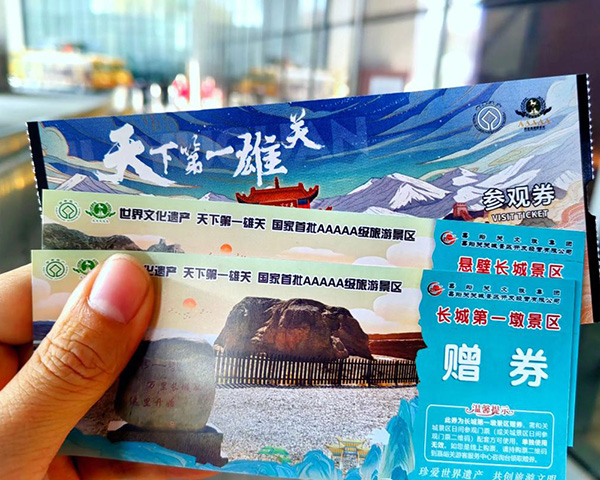
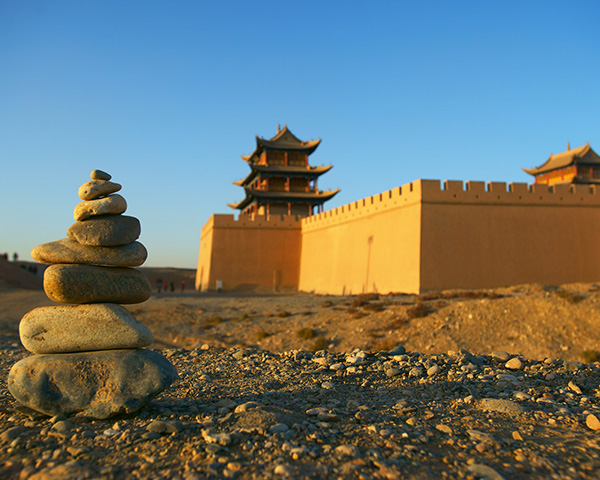
In the morning drive 3 hours to arrive at Jiayuguan city to visit the Jiayuguan fort. It is the west end of great wall in Ming dynasty (1368-1644 AD). It will take you to enjoy the majesty of the fort and appreciate the wisdom of the ancients. Jia Yu means beautiful valley because it was built in the valley between two mountains. The Jiayuguan was pretty well preserved, so it got a nice reputation as the Heavenly Pass. The Jiayuguan fort can be the westmost customs in Ming dynasty, where the passport should be checked and tax would be collected. In 2014 it was included into the world cultural heritage by UNESCO. After the fort visit the Overhanging Great Wall on the Cliff. It was built in the middle of 16th century and got the reputation as the western badaling great wall of China. It is in the north of the Jia Yu Guan Fort 7.5 km, which was built along the ridge of the north mountain. It is one important part of Ming great wall. Because this part of wall looks like climbing the mountain, it was named overhanging great wall. It was used to block the big gap in the mountain, which avoids the enemies smuggling. (There are many steps from one tower to the other, please consider if are able to walk and climb about 1.5hrs).
Accommodation: In Jiayuguan
After breakfast we will drive about 4.5 hours to Dunhuang. On the way, you will see the historical and cultural site Yulin Grottos. Yulin grottos are called sister grottos of Mogao grottos in dunhuang. The name Yulin means elm forest in Chinese, which came from many elms growing in the valley. The Grottos are chiseled into the cliff on the both sides of the Yulin River. There are 30 grottos in the east cliff and 11 in the west, which extend a distance of more than 100 meters between them. It used to be called Ten-Thousand Buddha Gorge. The grottos began to be chiseled and sculpted during the Northern Wei Dynasty (386-534AD), and was enlarged in the later dynasties, such as Tang (618-907AD), Five Dynasties (907-960AD), Song (960-1279AD), the Western Xia (1038-1227AD), Yuan (1271-1368AD) and so on. More than 1,000 square meters of frescos and more than 100 colourful sculptures are still existing there.
Accommodation: In Dunhuang
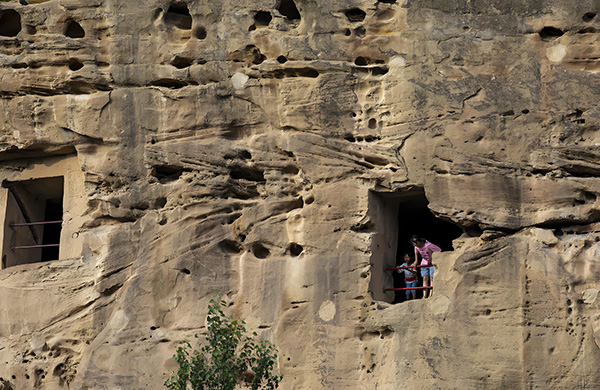
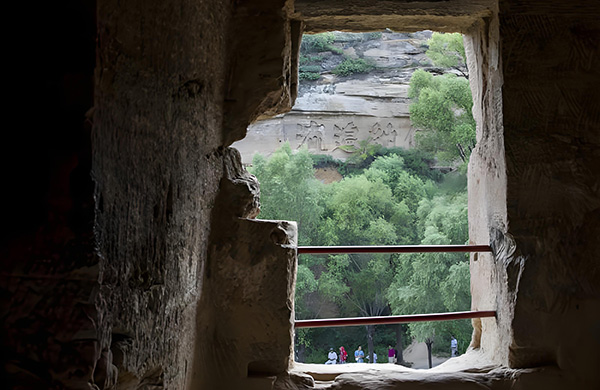
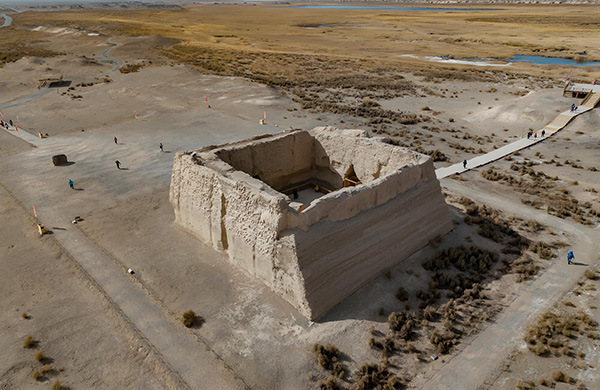
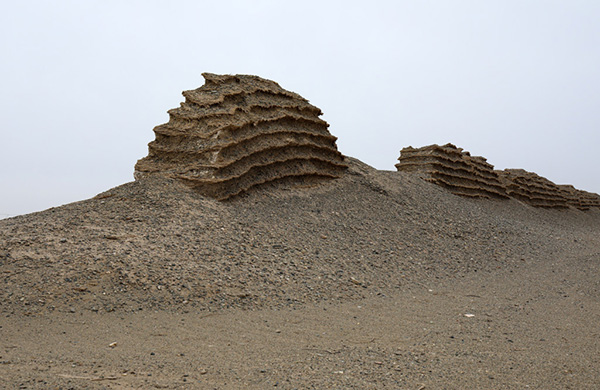
Today we will spend a whole day to explore the west line of Dunhuang through the Gobi desert. The first site we will visit is the Yumen Pass (Jade gate pass). Yu means Jade, Men means gate. It got the name because of the famous Khotan jade being introduced to Dunhuang through the gate. Yumen pass used to be the north customs of the silk road in Han dynasty (202BC-220AD). From here you can not only learn more history and culture about the ancient Silk Road, but also enjoy the special scenery in the vast Gobi desert. After the gate, take shuttle bus to visit the ruins of great wall in Han dynasty, which had special constructure and was kept for 2000 years.
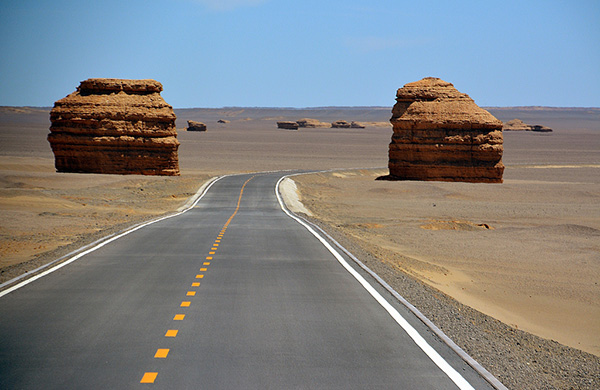
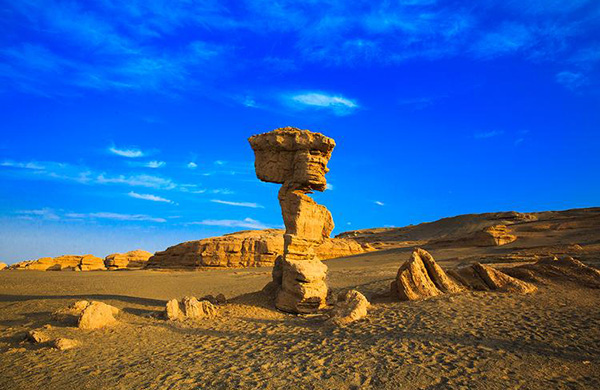
Then we will keep driving 1 hour to the magnificent Yadan National Geological Park. It is called "Ghost City" by locals. This area extends 25 km from east to west and about 22 km from south to north. It features the unique and wonderful scenes and landscapes in the Gobi desert, which can be the largest area of Yadan landform in China. In the late afternoon we will drive to the camping area, where we can have barbecue and make a bonfire party.
Accommodation: Camping at the foot of desert of Dunhuang
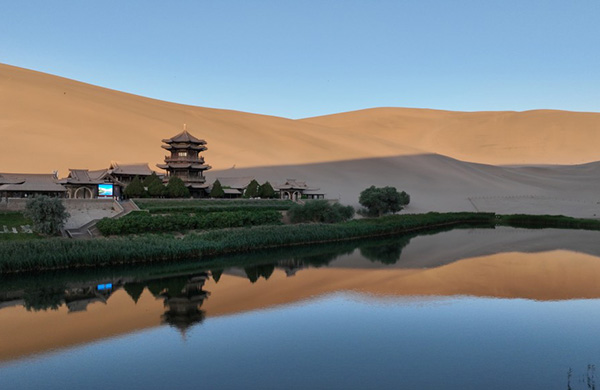
In the morning we will start our tour from the Echoing Sand Dune & Crescent Lake. Throughout the ages it is famous for the wonderful scenery of “coexistence of mountain and spring and symbiosis of sand and water”, which is known as ”one of the most unique scenery along the ancient silk road”. Local people would like to compare them as a deep lovely couple. When many people slide down from the sand dune, the special sound will be made just like echoing. In 2015 the Echoing sand dune and crescent lake were approved as national 5A tourism attraction. You have chance to take a camel ride (around 50 minutes) by your own like ancient caravan. (Do not forget to bring your sunglasses to prevent strong sunray and mask to keep out the dust)
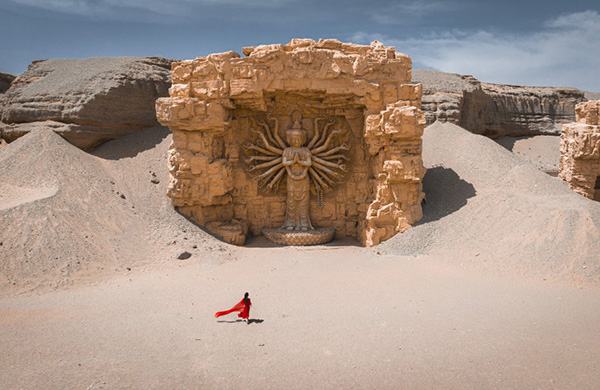
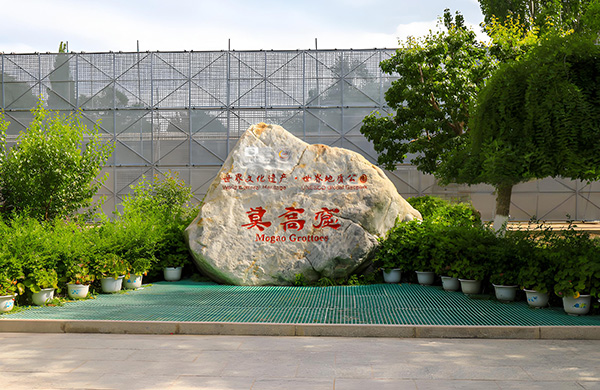
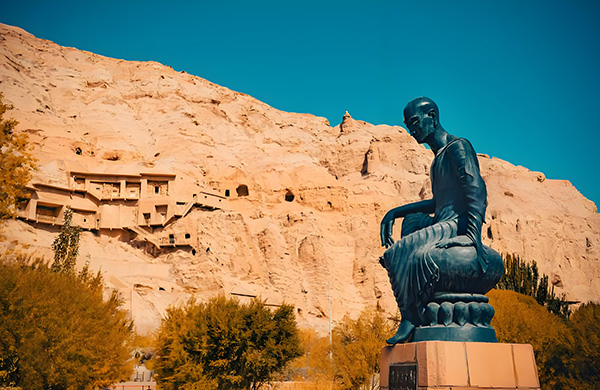
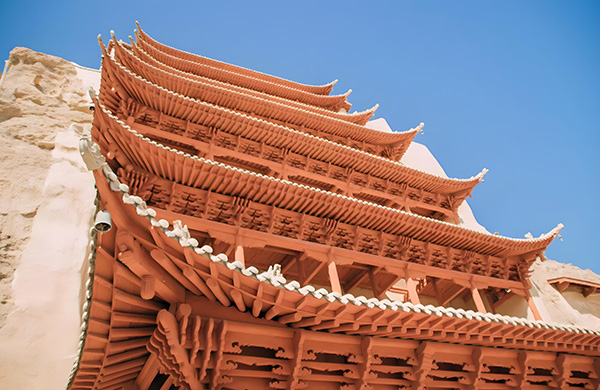
After lunch we will go for the Mogao Grottos, also well known as the Thousand Buddha Grottos in local. It was listed as World Heritage site by UNESCO. It is one of the great artistic and religious wonders of the world and it is famous for its exquisite murals and various sculptures inside the caves, which was built in different dynasties, spanning 1,000 years of Buddhist art. You have chance to enjoy the Silk Road movies in the tourists center about 50 minutes before our exploration into the Grottos. The professional docent from the Mogao grottos will show you around 8 grottos with their special flashlight, ensuring you have clear view of the murals and paintings. (Note: No photos and Videos in the caves and in the cinemas of tourists centre). It will take around 3.5-4 hours to visit including movie.
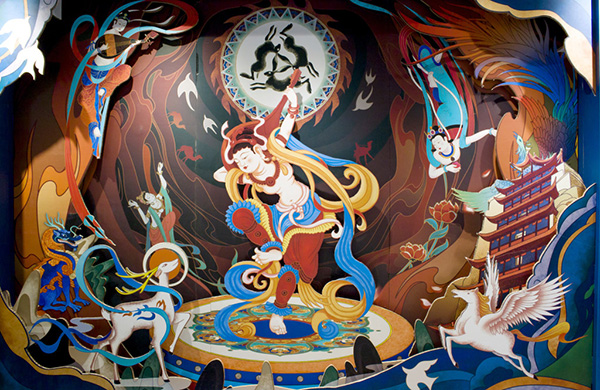
In the evening enjoy the walking tour to the Dunhuang Shazhou Night Market, the most bustling place of Dunhuang at night. It's easy to enjoy your leisure time to wonder the market and taste local flavor as well.
Accommodation: In Dunhuang
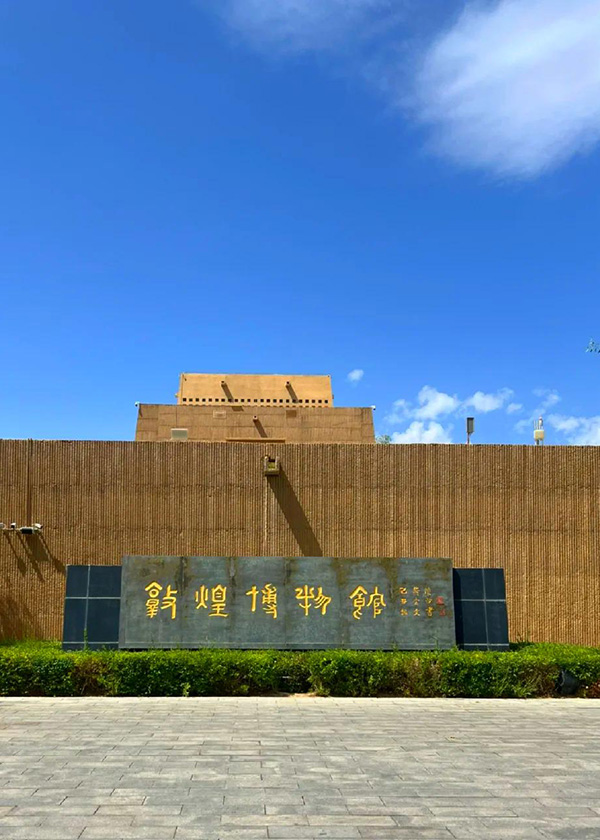
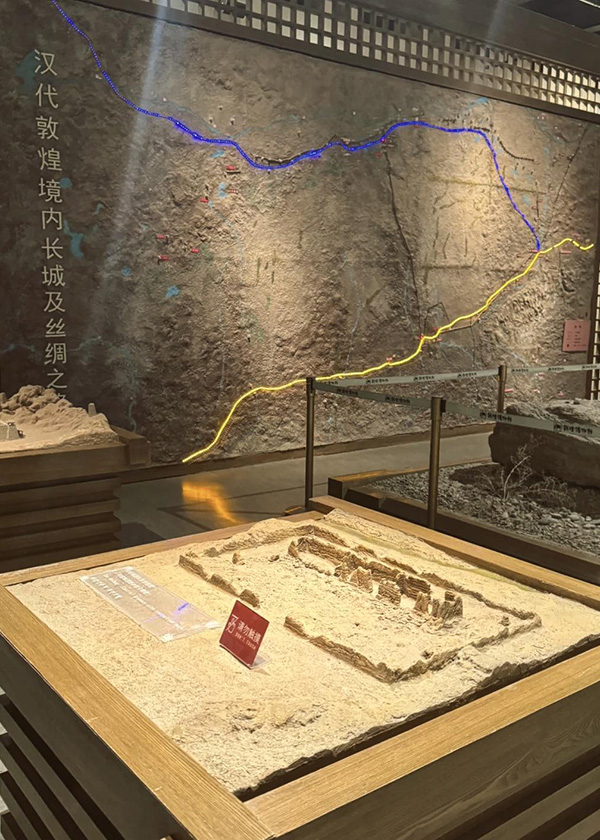
This morning we will visit dunhuang museum. Then transfer you to dunhuang airport to catch the plane back your home.